


A Korean Odyssey Hindi Dubbed Download Apr 2026

Since its creation in 1997, elBullitaller’s aim has been to expand the range of textures that can be used in the kitchen. As a result of this research, techniques such as foams, clouds, etc. have been created, representing an evolution in his style.
The Texturas range is essential if you want to incorporate some of our most famous techniques into your kitchen, such as hot jellies, air, gelatine caviar or spherical ravioli.
The products that make up the five families – Spherification, Gelification, Emulsification, Thickeners and Surprises – are the result of a rigorous selection and testing process. Texturas is the beginning of a world of magical sensations that has expanded over the years.

SFERIFICATION
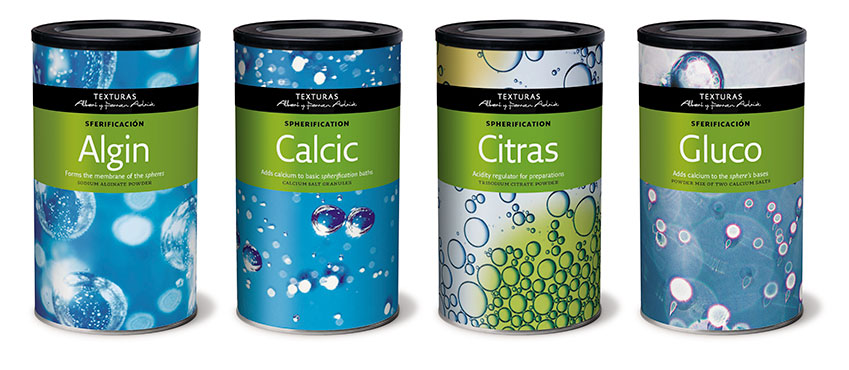
Spherification is a spectacular culinary technique, introduced at elBulli in 2003, that allows you to create recipes never before imagined. It is the controlled gelling of a liquid which, when immersed in a bath, forms spheres. There are two types: Basic Spherification (which consists of immersing a liquid with algin in a calcic bath) and Reverse Spherification (immersing a liquid with gluco in an algin bath). These techniques make it possible to obtain spheres of different sizes: caviar, eggs, gnocchi, ravioli… In both techniques, the spheres obtained can be manipulated as they are slightly flexible. We can introduce solid elements into the spheres, which remain suspended in the liquid, thus obtaining two or more flavours in one preparation. In basic spherification, some ingredients require the use of citrus to correct the acidity; in reverse spherification, xanthan is usually used to thicken. Spherification requires the use of specific tools, which are included in the kits.
GELLING
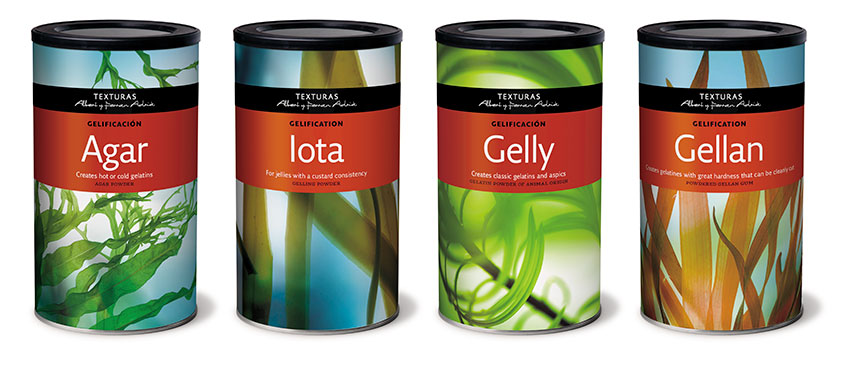
Jellies are one of the most characteristic preparations of classical cuisine and have evolved with modern cuisine. Until a few years ago, they were mainly made with gelatin sheets (known as “fish tails”); since 1997, agar, a derivative of seaweed, has been used.
The kappa and iota carrageenans are also obtained from seaweed and have specific properties of elasticity and firmness that give them their own personality.
To complete the family, we present gellan, which makes it possible to obtain a rigid and firm gel, and methyl, with high gelling power and great reliability.
EMULSIFICATION
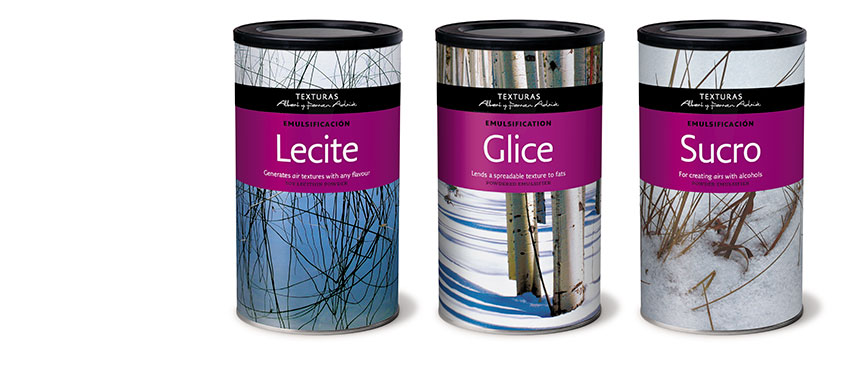
The Lecite product, which is used to make aerated preparations, has been joined by two other products, Sucro and Glice. The main feature of the latter is its ability to combine two phases that cannot be mixed, such as fatty and aqueous media. This makes it possible to create emulsions that would otherwise be very difficult to achieve. A Korean Odyssey Hindi Dubbed Download
THICKENERS
Products have always been used in the kitchen to thicken sauces, creams, juices, soups, etc. Starch, cornstarch, flour are the traditional thickeners used, with the disadvantage that a significant amount has to be added, which affects the final flavour.
With the Xantana family of thickeners, we present a new product capable of thickening cooking preparations with a minimum quantity and without altering the initial flavour characteristics in any way.

SURPRISES
It is a line of products whose main characteristic is the possibility of consuming them directly, either on their own or mixed with other ingredients and preparations. In conclusion, the feature needs to present a
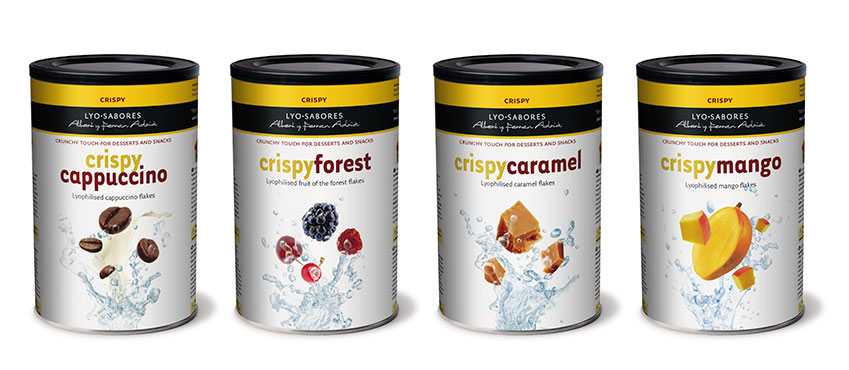
These are products with different characteristics, but with a common denominator, their special texture, specific and unique to each of them, effervescent in the case of Fizzy, Malto and Yopol, and crunchy in Crumiel, Trisol and Crutomat. Flavours and textures that can be a fantastic and surprising solution for refining both sweet and savoury recipes.

OTHER PRODUCTS

In conclusion, the feature needs to present a thorough analysis of the Hindi dubbed version of "A Korean Odyssey," covering its production, challenges, reception, and cultural impact. Ensure it provides value to the reader by offering insights beyond just a summary.
Also, considering the Indian audience, are there any changes made to the story or characters to align with Indian sensibilities? That's a common practice in localization. For example, certain tropes might be modified to avoid controversy or to resonate better.
Based on the ancient Korean folktale "Tale of the Moon, the Sun and the Moon," A Korean Odyssey (2017) is a whimsical blend of fantasy, comedy, and romance. Created by the prolific director Ro Tae-yong ( It’s Okay to Not Be Okay ), the series stars Lee Seung-gi as Gwanghae, a Joseon king exiled to the underworld after a political fall. His journey to redemption and love with a female demon, Jang Hwa (Kang So-ra), forms the epic narrative. The show’s popularity in South Korea laid the groundwork for its global appeal, culminating in a Hindi dubbed version that captivated Indian audiences. 1. The Original Korean Series: A Folklore Powerhouse The original drama is a reimagining of a classic Korean folktale, infused with modern storytelling and humor. Gwanghae’s journey through the underworld introduces characters like the witty goddess Yeo-hwa (Jeong In-seon) and the bumbling demon Jijiko, creating a vibrant tapestry of myth and comedy. With 25 episodes, the series balances dramatic stakes with lighthearted moments, making it a standout in K-drama history. Its success in 2017 sparked a trend for mythological K-drams and solidified Lee Seung-gi’s status as a heartthrob. 2. The Dubbing Process: Preserving the Essence in Hindi Cultural Adaptation and Translation Translating A Korean Odyssey for a Hindi-speaking audience required more than just linguistic accuracy. The dubbing team, led by veteran voice artist Javed Jaffrey ( The Namesake ), had to navigate Korean humor, idioms, and folklore without alienating Indian viewers. For instance, references to Korean political history (e.g., the Imjin War) were explained through simplified context, while mythological terms like "Hell" or "Panchatantra-style animal parables" were localized using familiar Indian stories.
I should also consider the technical aspects: the quality of the Hindi dubbing, voice actors used, and how the dubbed version maintains the essence of the original. Are there any key scenes where the dubbing really shines or where it might have fallen short?
In conclusion, the feature needs to present a thorough analysis of the Hindi dubbed version of "A Korean Odyssey," covering its production, challenges, reception, and cultural impact. Ensure it provides value to the reader by offering insights beyond just a summary.
Also, considering the Indian audience, are there any changes made to the story or characters to align with Indian sensibilities? That's a common practice in localization. For example, certain tropes might be modified to avoid controversy or to resonate better.
Based on the ancient Korean folktale "Tale of the Moon, the Sun and the Moon," A Korean Odyssey (2017) is a whimsical blend of fantasy, comedy, and romance. Created by the prolific director Ro Tae-yong ( It’s Okay to Not Be Okay ), the series stars Lee Seung-gi as Gwanghae, a Joseon king exiled to the underworld after a political fall. His journey to redemption and love with a female demon, Jang Hwa (Kang So-ra), forms the epic narrative. The show’s popularity in South Korea laid the groundwork for its global appeal, culminating in a Hindi dubbed version that captivated Indian audiences. 1. The Original Korean Series: A Folklore Powerhouse The original drama is a reimagining of a classic Korean folktale, infused with modern storytelling and humor. Gwanghae’s journey through the underworld introduces characters like the witty goddess Yeo-hwa (Jeong In-seon) and the bumbling demon Jijiko, creating a vibrant tapestry of myth and comedy. With 25 episodes, the series balances dramatic stakes with lighthearted moments, making it a standout in K-drama history. Its success in 2017 sparked a trend for mythological K-drams and solidified Lee Seung-gi’s status as a heartthrob. 2. The Dubbing Process: Preserving the Essence in Hindi Cultural Adaptation and Translation Translating A Korean Odyssey for a Hindi-speaking audience required more than just linguistic accuracy. The dubbing team, led by veteran voice artist Javed Jaffrey ( The Namesake ), had to navigate Korean humor, idioms, and folklore without alienating Indian viewers. For instance, references to Korean political history (e.g., the Imjin War) were explained through simplified context, while mythological terms like "Hell" or "Panchatantra-style animal parables" were localized using familiar Indian stories.
I should also consider the technical aspects: the quality of the Hindi dubbing, voice actors used, and how the dubbed version maintains the essence of the original. Are there any key scenes where the dubbing really shines or where it might have fallen short?


© Albert Adrià, 2026
%!s(int=2026) © %!d(string=Green Grid)


