Pdf Free - Ansoff 1965 Corporate Strategy

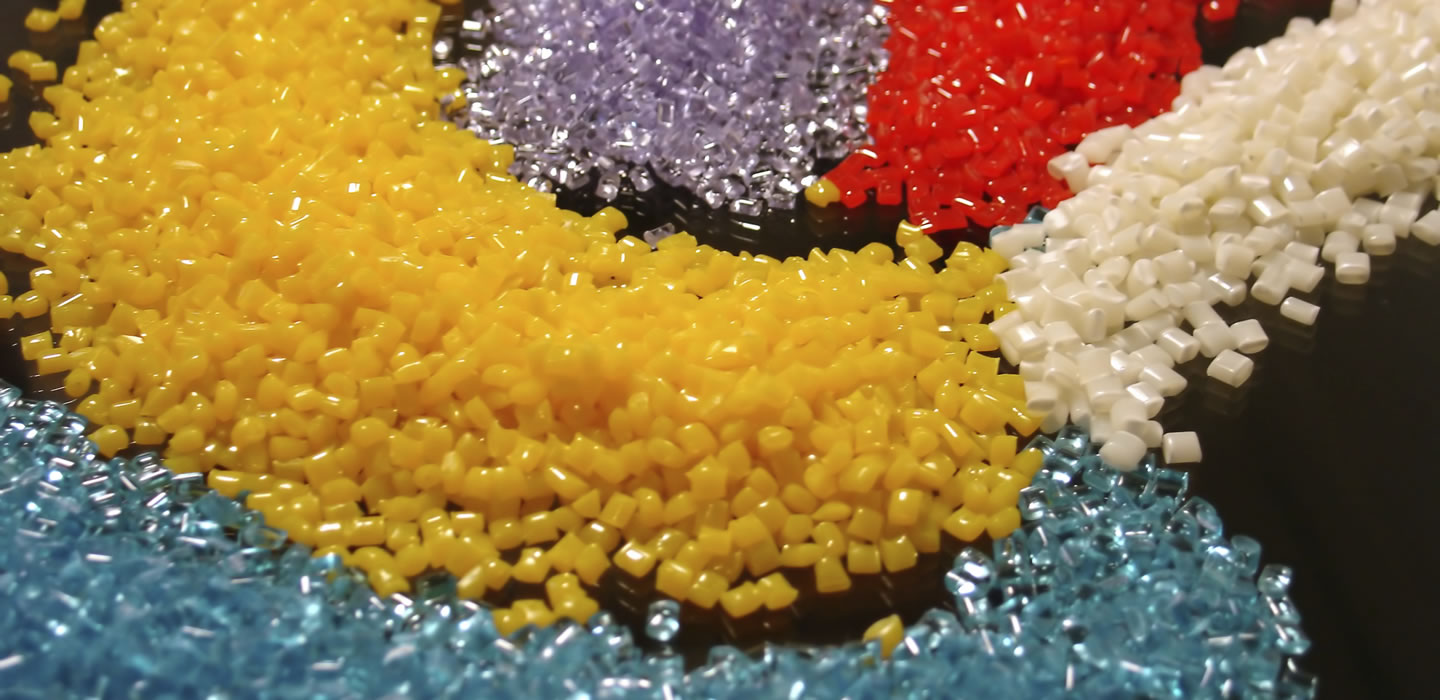
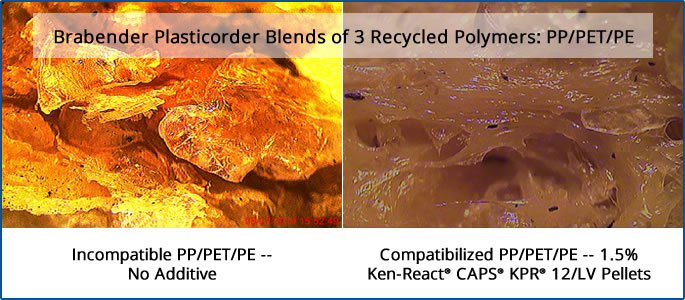
Kenrich Petrochemicals, Inc.'s Ken-React® series of titanate, zirconate and aluminate organometallics provide advancement-in-the-state-of-the-art opportunities for plastics processing and products.

Kenrich Petrochemicals, Inc.'s Ken-React® series of titanate, zirconate and aluminate organometallics provide advancement-in-the-state-of-the-art opportunities for rubber processing and products.

Kenrich Petrochemicals, Inc.'s Ken-React® series of titanate, zirconate and aluminate organometallics provide advancement-in-the-state-of-the-art opportunities for advanced composites that require adhesion to: glass, carbon, aramid fibers.

Kenrich Petrochemicals, Inc.'s Ken-React® series of titanate, zirconate and aluminate organometallics provide advancement-in-the-state-of-the-art opportunities for adhesive compositions that require adhesion to non-polar substrates such as olefins and fluoropolymers.

Kenrich Petrochemicals, Inc.'s Ken-React® series of titanate, zirconate and aluminate organometallics provide advancement-in-the-state-of-the-art opportunities for paint, functional coatings, inks, plastisols and powder coatings.

Kenrich Petrochemicals, Inc.'s Ken-React® series of titanate, zirconate and aluminate organometallics provide advancement-in-the-state-of-the-art opportunities for color concentrates.
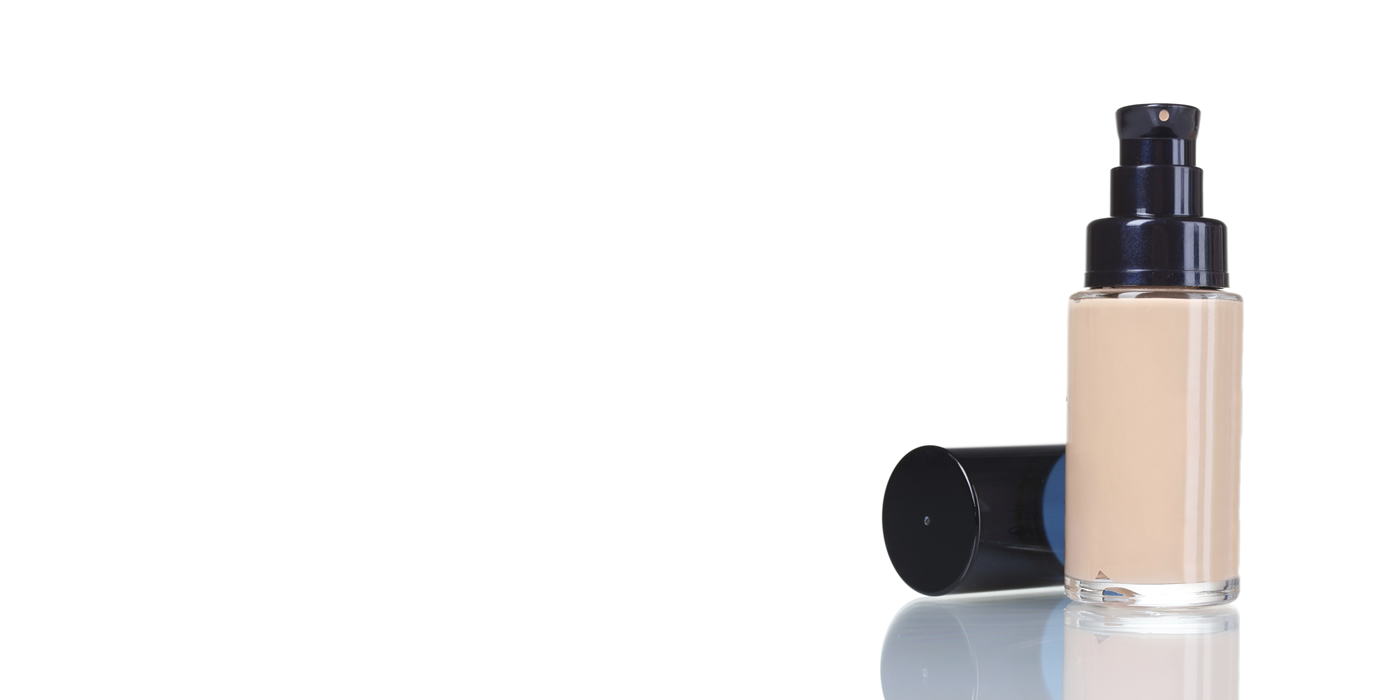
Kenrich Petrochemicals, Inc.'s Ken-React® series of titanate, zirconate and aluminate organometallics provide advancement-in-the-state-of-the-art opportunities for cosmetics and sun blocks.
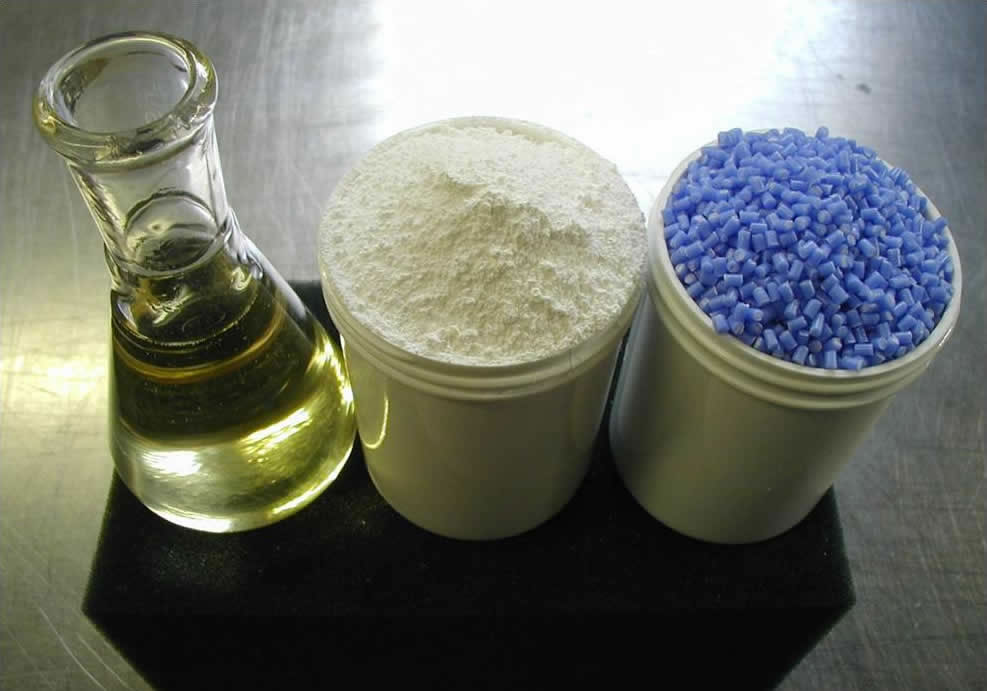
Kenrich Petrochemicals, Inc.'s Ken-React® series of titanate, zirconate and aluminate organometallics provide advancement-in-the-state-of-the-art opportunities for energetic compositions, solid propellants, pyrotechnics, and explosives.

Please see our Product List for a full description of available Kenrich products.
Ken-React® Titanates,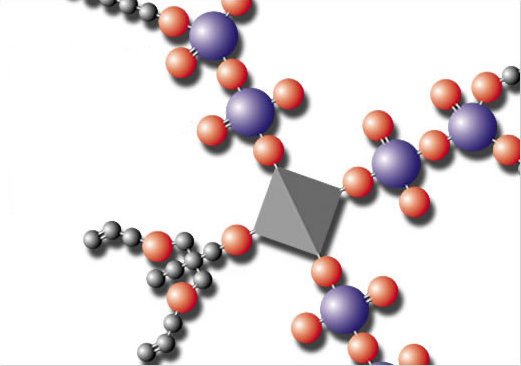

| Adhesion | Anti-Aging |
| Catalysis | Crosslink |
| Regeneration | Curative |
| Nano-Exfoliation | Flame Retardance |
| Hydrophobicity | Biodegration |
| Anti-Corrosion | Deagglomeration |
| Coupling | Polymer Flow |
| Flexibilization | Recyclability |

February 8-11, 2026
Savannah, GA

February 11-12, 2026
Cleveland, OH

April 14-16, 2026
Warrensville Heights, OH

September 15-17, 2026
The Westin Lombard, IL
It was a chilly winter morning when John, the CEO of a medium-sized technology firm, sat in his office, staring at the company's stagnant growth chart. Founded over a decade ago, the company had enjoyed moderate success, but the past few years had been marked by plateaued revenues and declining market share. John's board of directors was breathing down his neck, demanding a turnaround.
As he pondered the company's future, John recalled a seminal article he had read by Igor Ansoff, a renowned strategy professor, published in 1965. Ansoff's work introduced the concept of a corporate strategy matrix, which categorized growth options into four distinct quadrants: ansoff 1965 corporate strategy pdf free
For those interested in learning more about the Ansoff Matrix and corporate strategy, a free PDF resource is available: It was a chilly winter morning when John,
After analyzing the Ansoff Matrix, John decided to pursue a combination of market penetration, market development, and product development strategies. He allocated resources to each of these areas, while also keeping a watchful eye on potential diversification opportunities. As he pondered the company's future, John recalled
Ansoff, H. Igor. (1965). "Corporate Strategy." McGraw-Hill. ( Available online as a free PDF)
Over time, John's company began to experience renewed growth, driven by a combination of increased market share, expansion into new markets, and innovative new products. The Ansoff Matrix had provided a valuable framework for evaluating growth options and making strategic decisions.
| | Existing Markets | New Markets | | --- | --- | --- | | | Market Penetration | Market Development | | New Products | Product Development | Diversification |