WHAT IF IT WERE EASY?
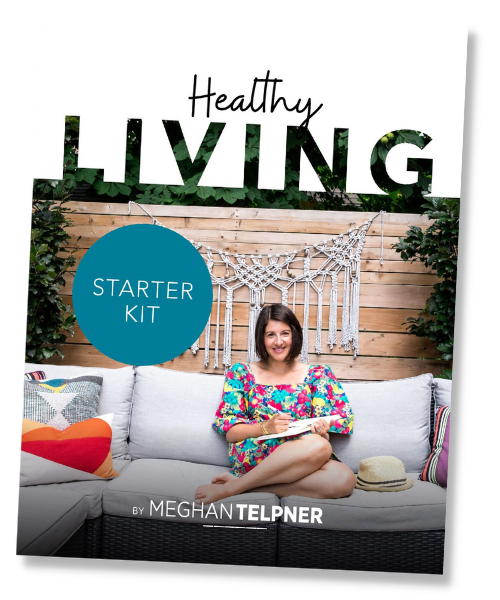
Enjoy instant access to my Healthy Living Starter Guide.
A simple path to health.
mongoose.connect('mongodb://localhost/astvacashunch', { useNewUrlParser: true, useUnifiedTopology: true });
Astvacashunch MP3 Downloader & Player
const Song = mongoose.model('Song', songSchema); astvacashunch mp3
const handleDownload = (song) => { axios.get(`http://localhost:3000/download/${song._id}`) .then(response => { const blob = new Blob([response.data], { type: 'audio/mpeg' }); const url = URL.createObjectURL(blob); const a = document.createElement('a'); a.href = url; a.download = song.title; a.click(); }) .catch(error => { console.error(error); }); };
useEffect(() => { axios.get(`http://localhost:3000/search?q=${searchQuery}`) .then(response => { setSongs(response.data); }) .catch(error => { console.error(error); }); }, [searchQuery]); mongoose
function App() { const [searchQuery, setSearchQuery] = useState(''); const [songs, setSongs] = useState([]); const [currentSong, setCurrentSong] = useState(null);
export default App; This is a basic outline to get you started. You'll need to complete the implementation, add error handling, and optimize the code for production. Additionally, ensure you comply with any applicable copyright laws and regulations when hosting and downloading MP3 files. return ( <
return ( <div> <input type="search" value={searchQuery} onChange={(e) => setSearchQuery(e.target.value)} placeholder="Search for songs" /> <ul> {songs.map((song) => ( <li key={song._id}> {song.title} by {song.artist} <button onClick={() => handleDownload(song)}>Download</button> </li> ))} </ul> {currentSong && ( <audio controls> <source src={URL.createObjectURL(currentSong)} type="audio/mpeg" /> Your browser does not support the audio element. </audio> )} </div> ); }
const express = require('express'); const app = express(); const mongoose = require('mongoose');
import React, { useState, useEffect } from 'react'; import axios from 'axios';
WHAT IF IT WERE EASY?
Enjoy instant access to my Healthy Living Starter Guide.
A simple path to health.
WHAT IF IT WERE EASY?
Enjoy instant access to my Healthy Living Starter Guide.
A simple path to health.