
Arch Pro is a precision-tuned LOG to REC709 LUT system built specifically for the Pocket Cinema Camera 4K, 6K, and 6K Pro. The base set includes a Natural LUT along with Filmic and Vibrant character LUTs—each one uniquely matched to your camera’s sensor and LOG profile. This isn’t one-size-fits-all, it’s one-for-each, engineered for color that just works.
Want more? The Plus and Premium Bundles unlock stylized Film Looks and DaVinci Wide Gamut support for Resolve users.




Whether you’re a filmmaker, YouTuber, or weekend warrior, if you're working with Pocket 4K, 6K, or 6K Pro footage, this is the fastest way to make it shine. Arch Pro enhances highlight rolloff, improves skin tone, and just looks good.
Import Arch Pro LUTs right into your Pocket Cinema Camera to preview the colors live — great for livestreams, fast turnarounds, or video village. Burn it in if you want. Shoot LOG and tweak later if you don’t.


Create a cohesive cinematic look without obsessing over complex node trees. Whether you’re cutting a music video or a doc on a deadline, these LUTs hold their own — and still play nice with secondary grading and effects.


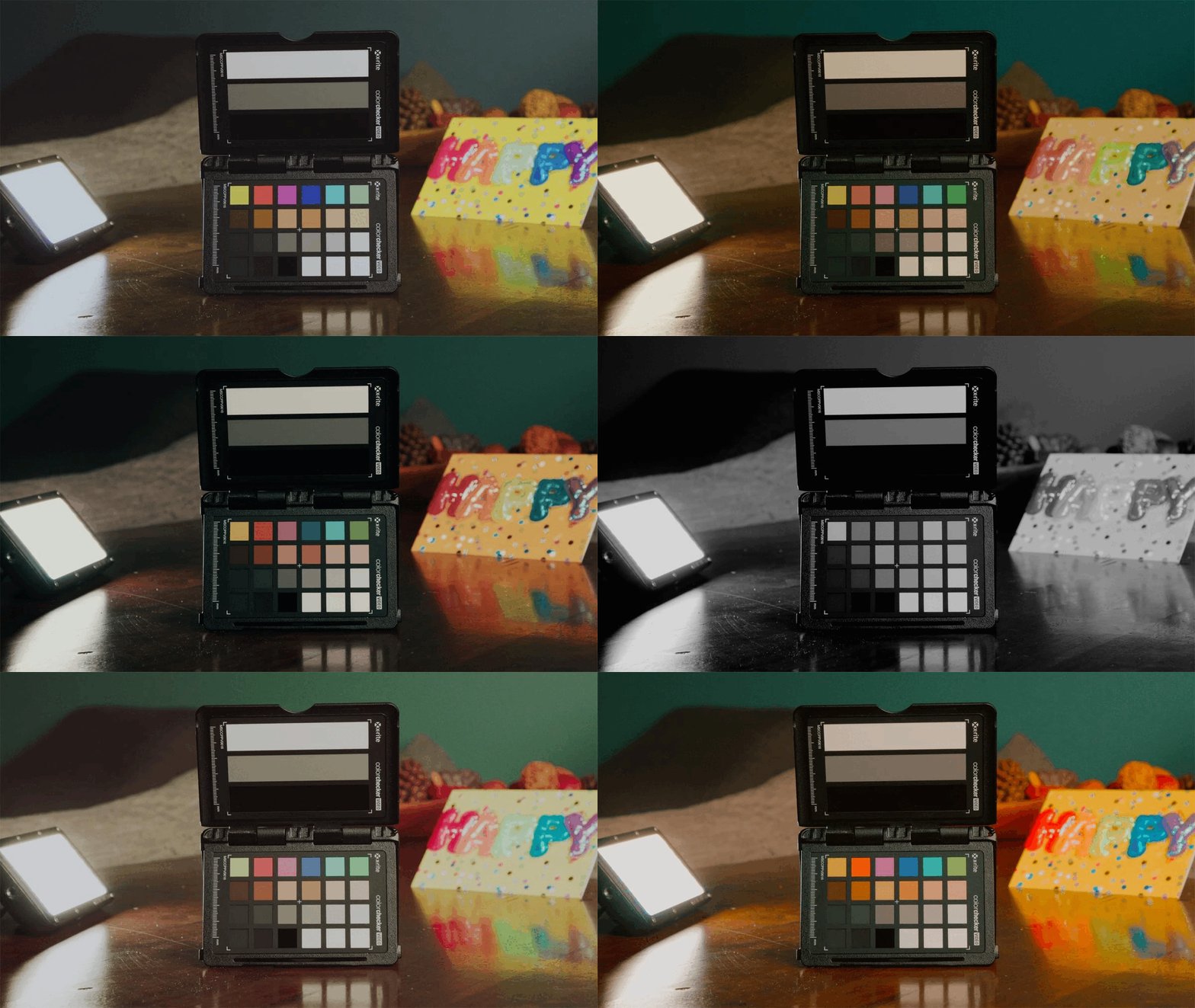
Arch Pro Plus adds 12 pre-built Film Looks that range from elegant monochromes to punchy stylization. Everything from a Black & White so classy it’d make Fred Astaire jump for joy to a Teal & Orange that could coax a single tear down Michael Bay’s cheek.

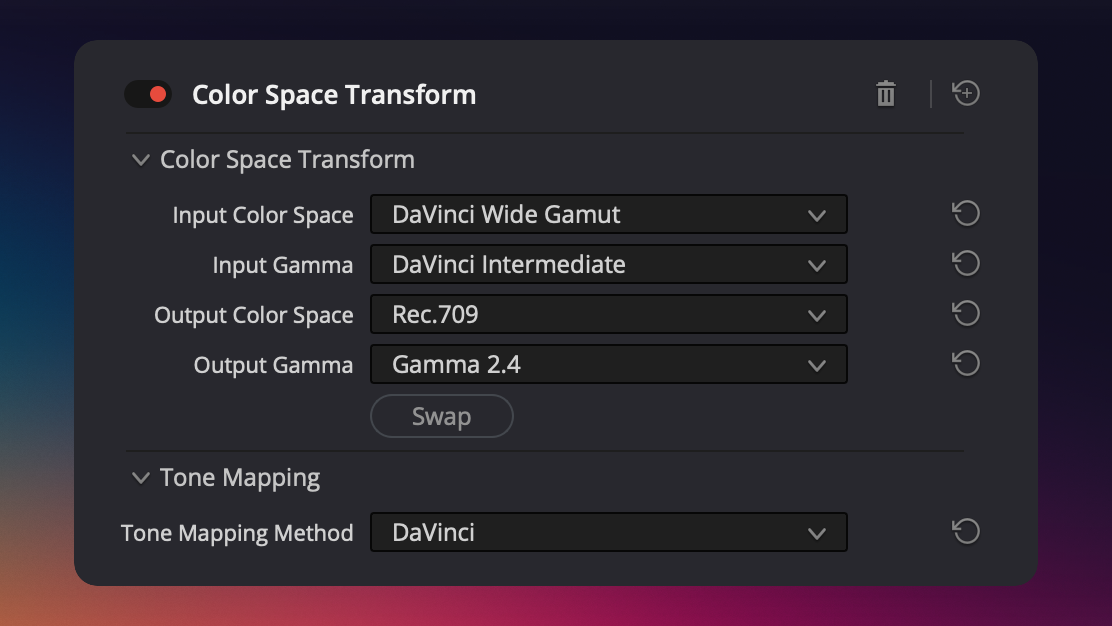
Arch Pro Premium unlocks a secret weapon: DaVinci Wide Gamut support. No Rec709 bakes. No locked-in looks. Just a clean, accurate conversion into DaVinci’s modern color space — built for real post workflows and future-proof grades.

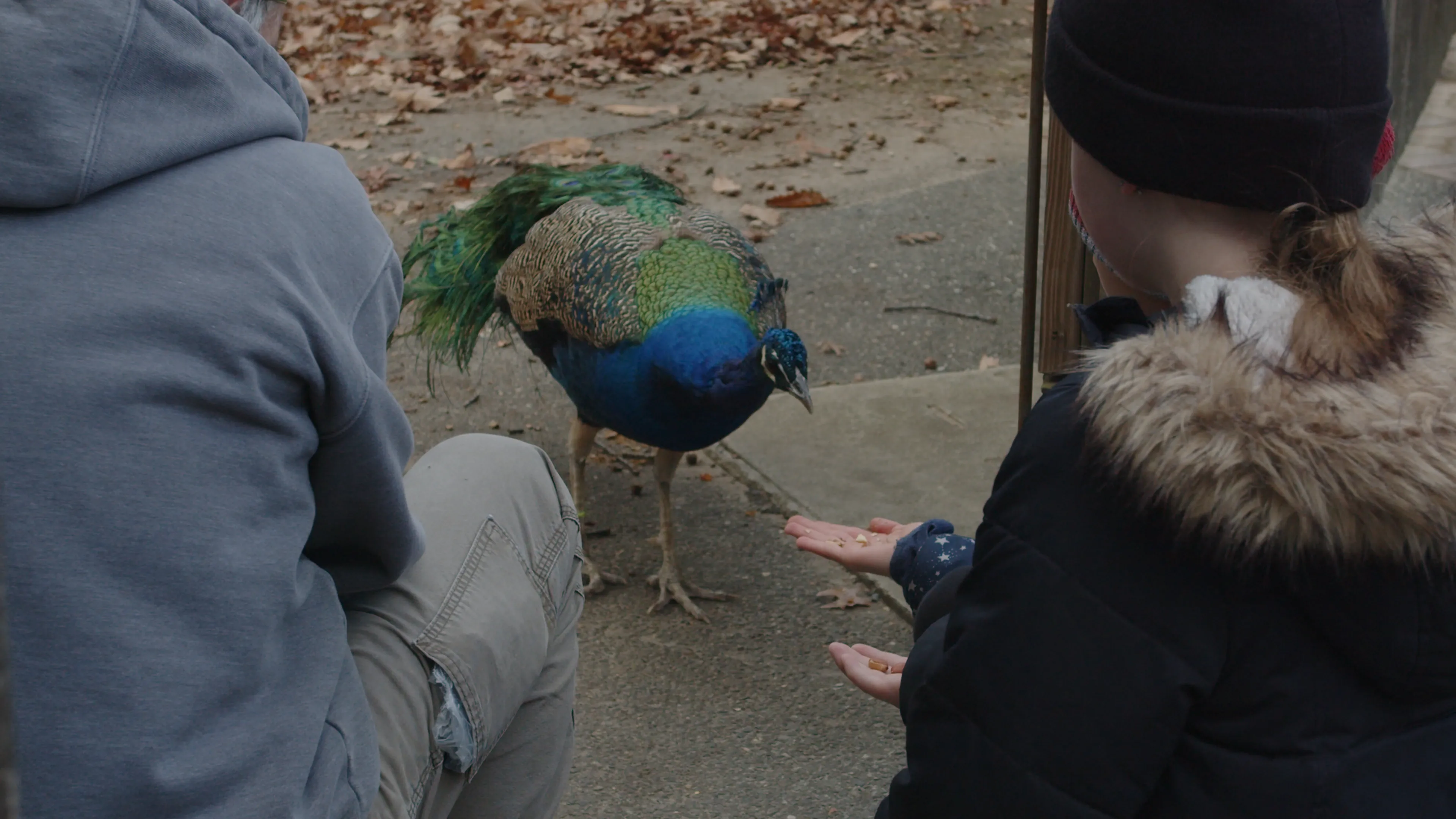
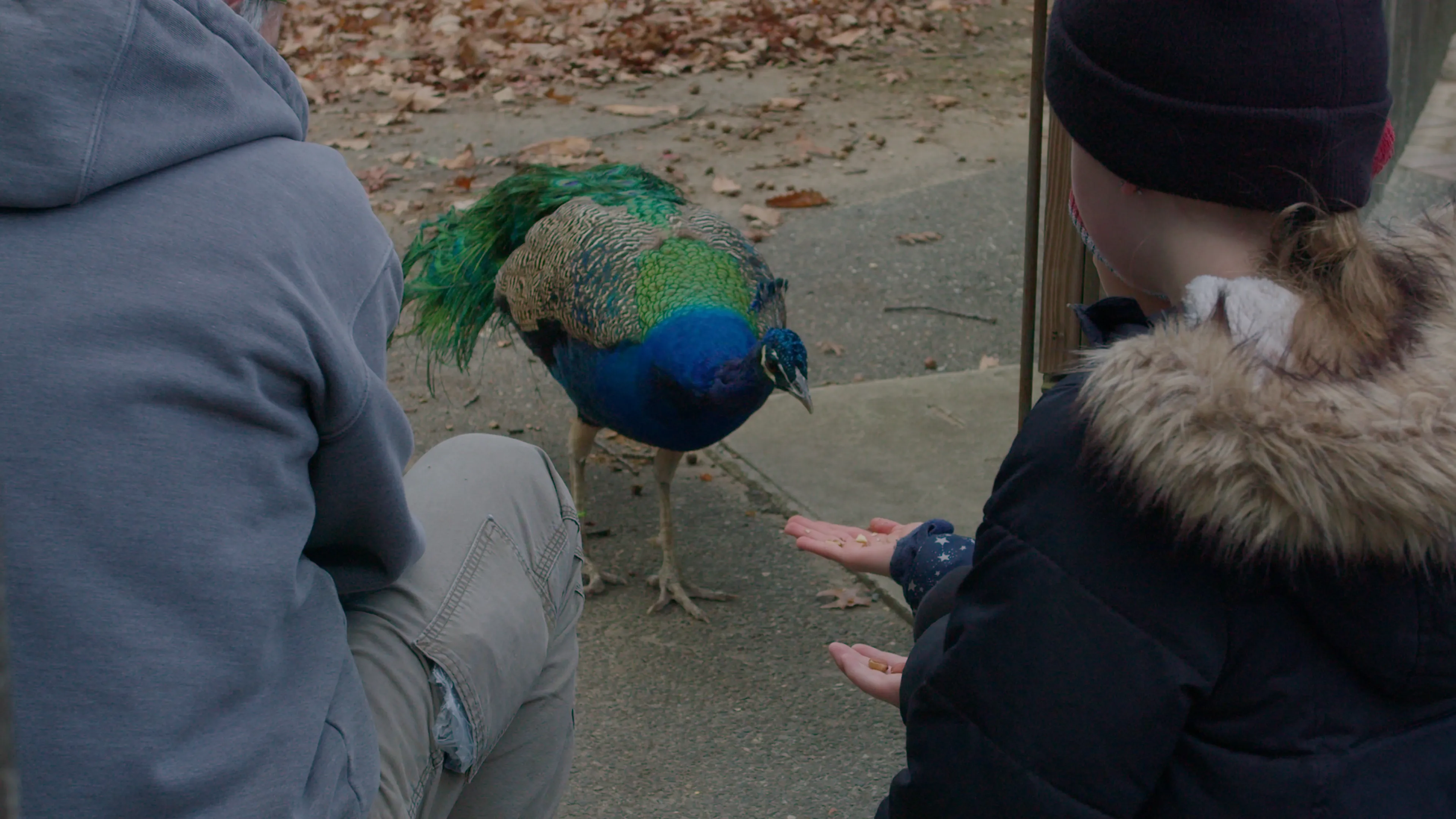
All of these examples were shot in BRAW with Gen 5 color science. On the left: Blackmagic’s built-in Extended Video LUT. On the right: Arch Pro Natural.
This isn't showing a LOG-to-Rec709 miracle like most do, this is comparing what you’d actually get side-by-side. The difference between good enough
and being there.
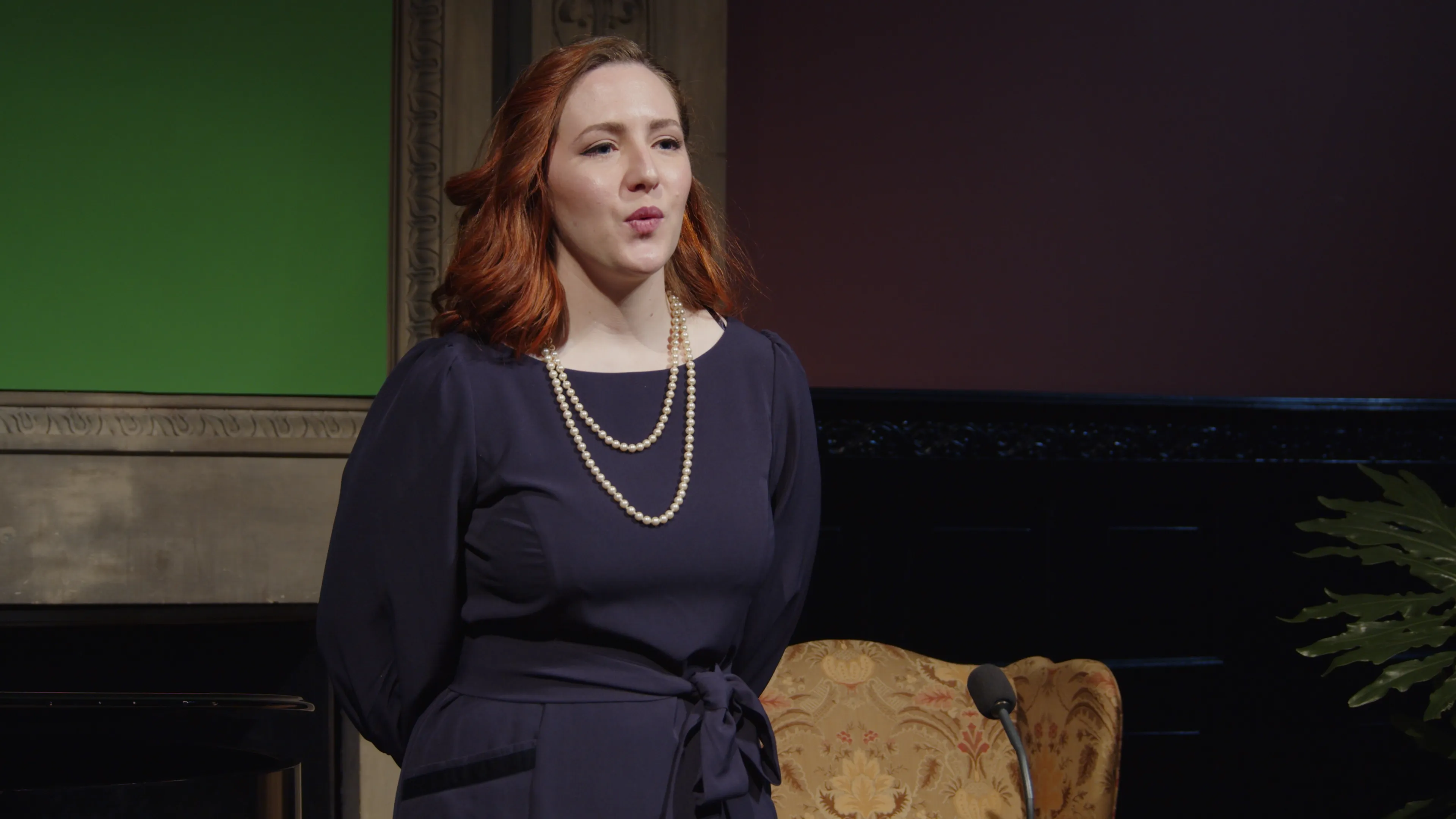
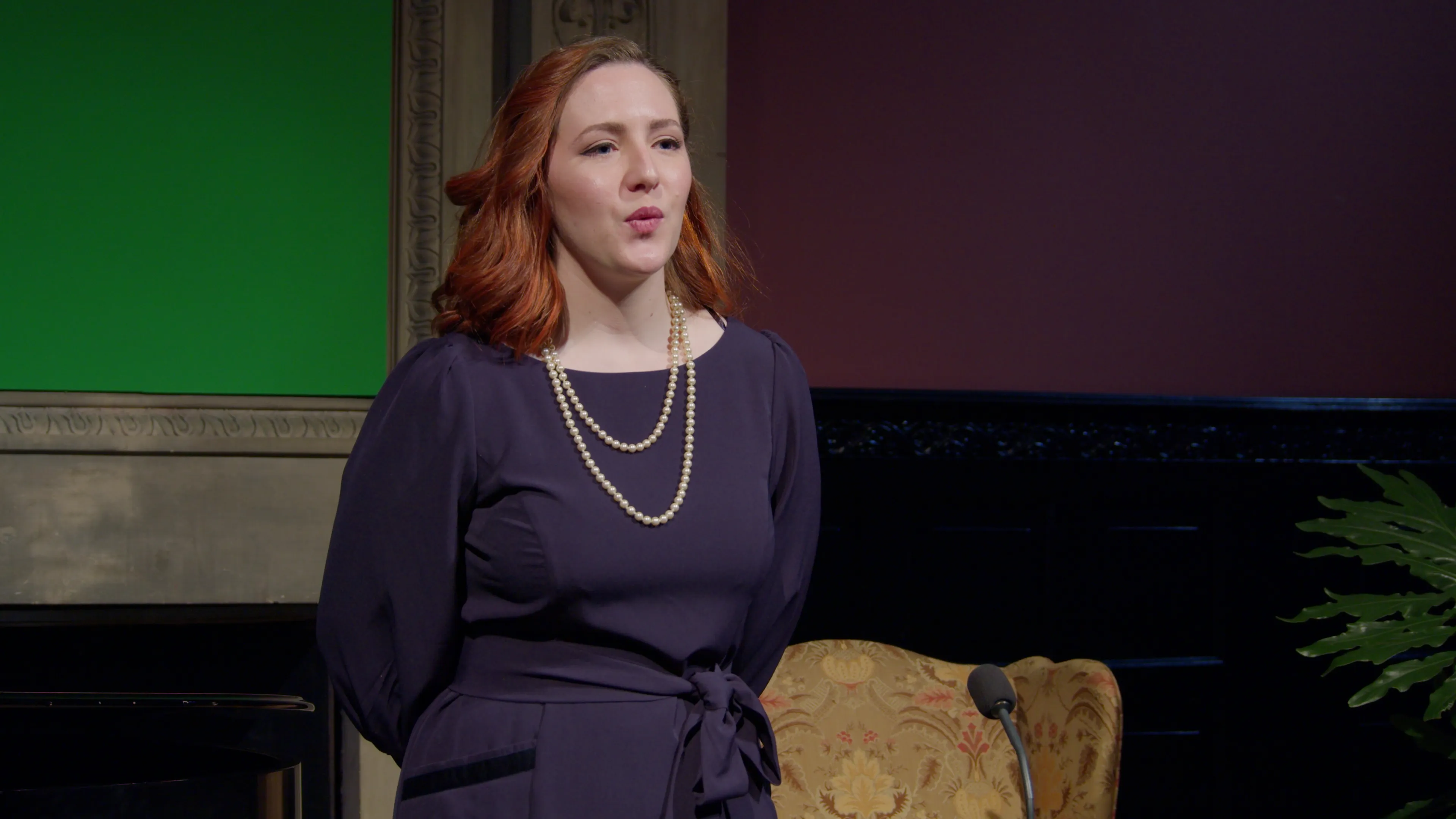
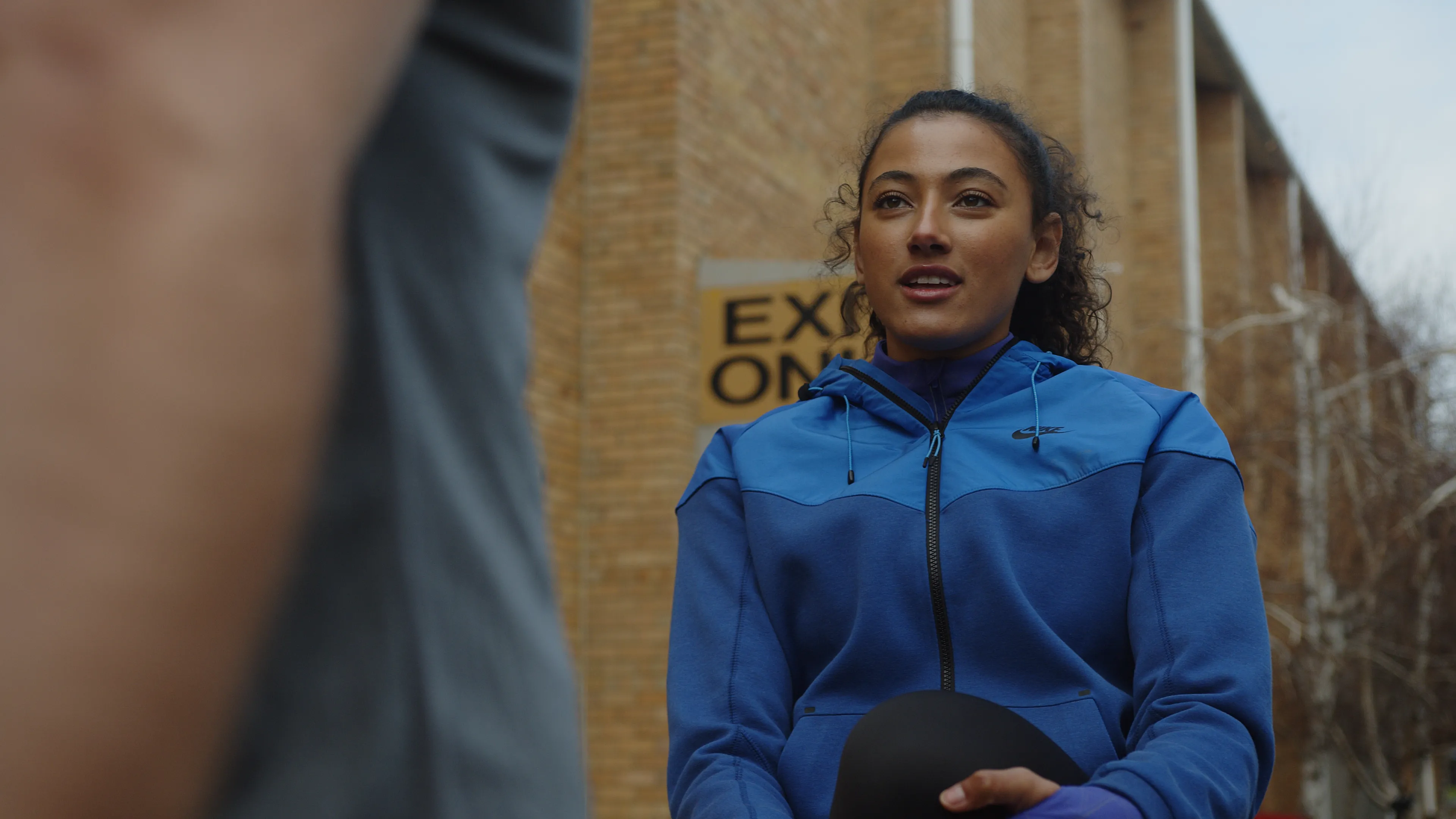
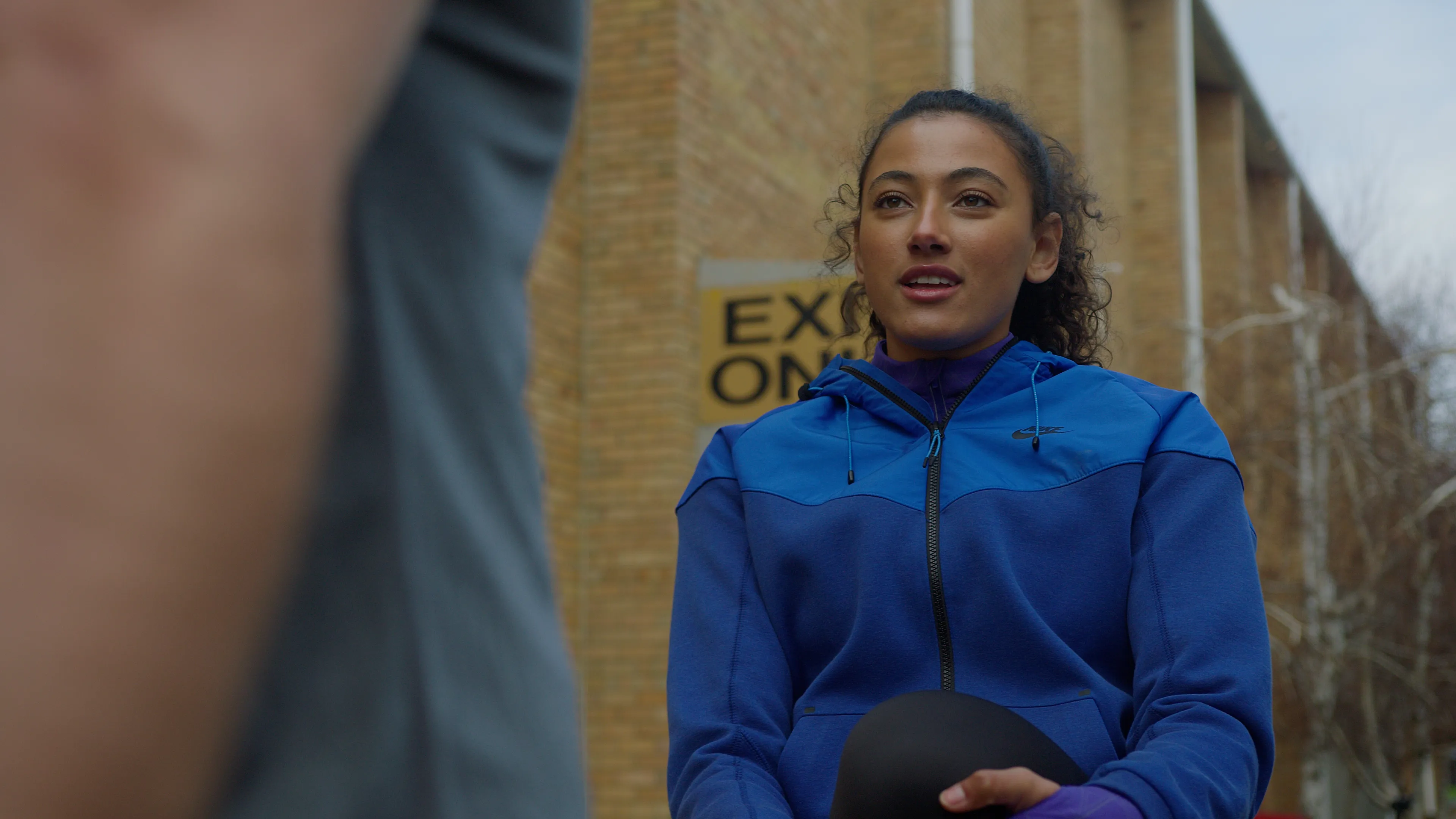


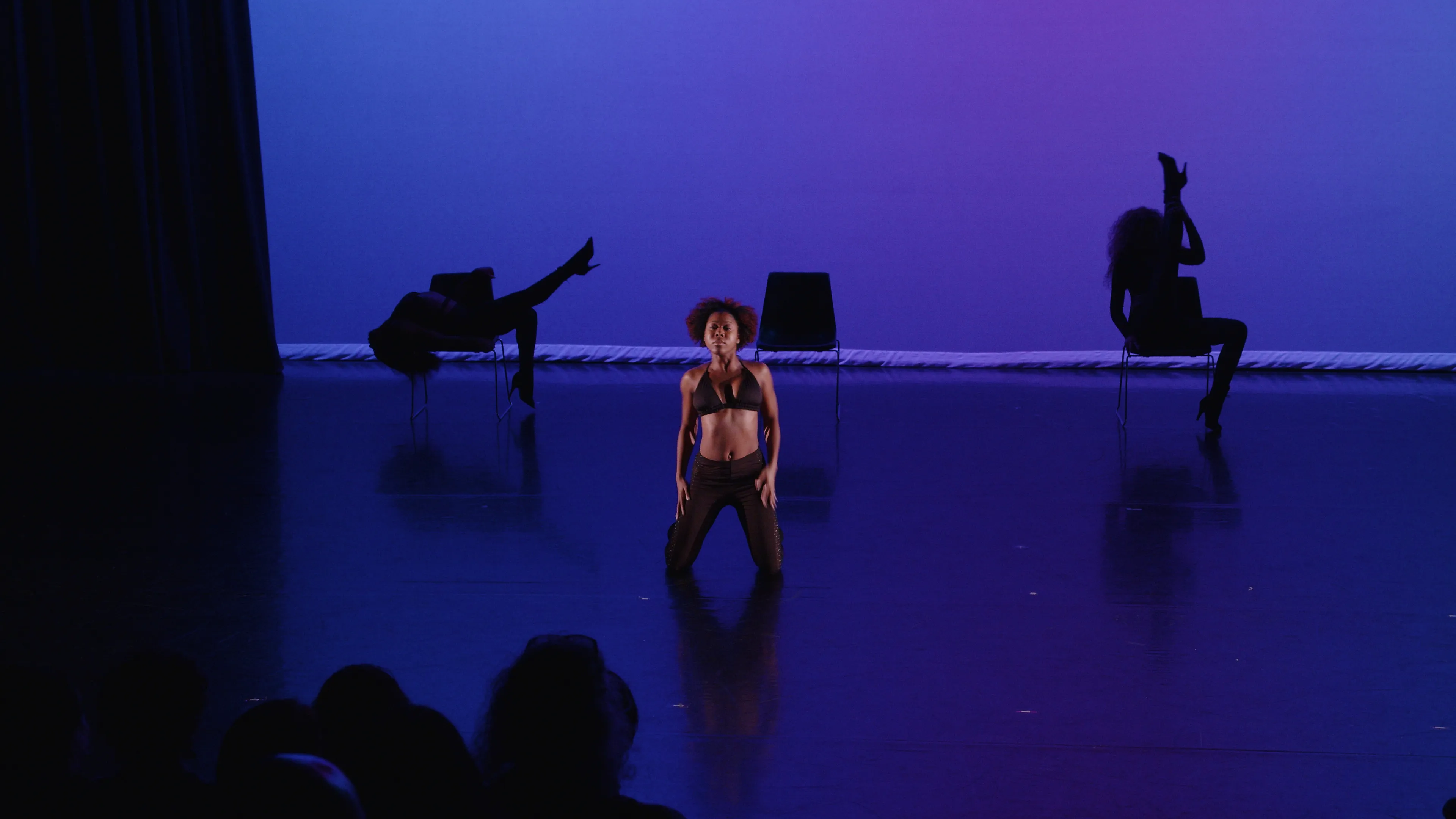
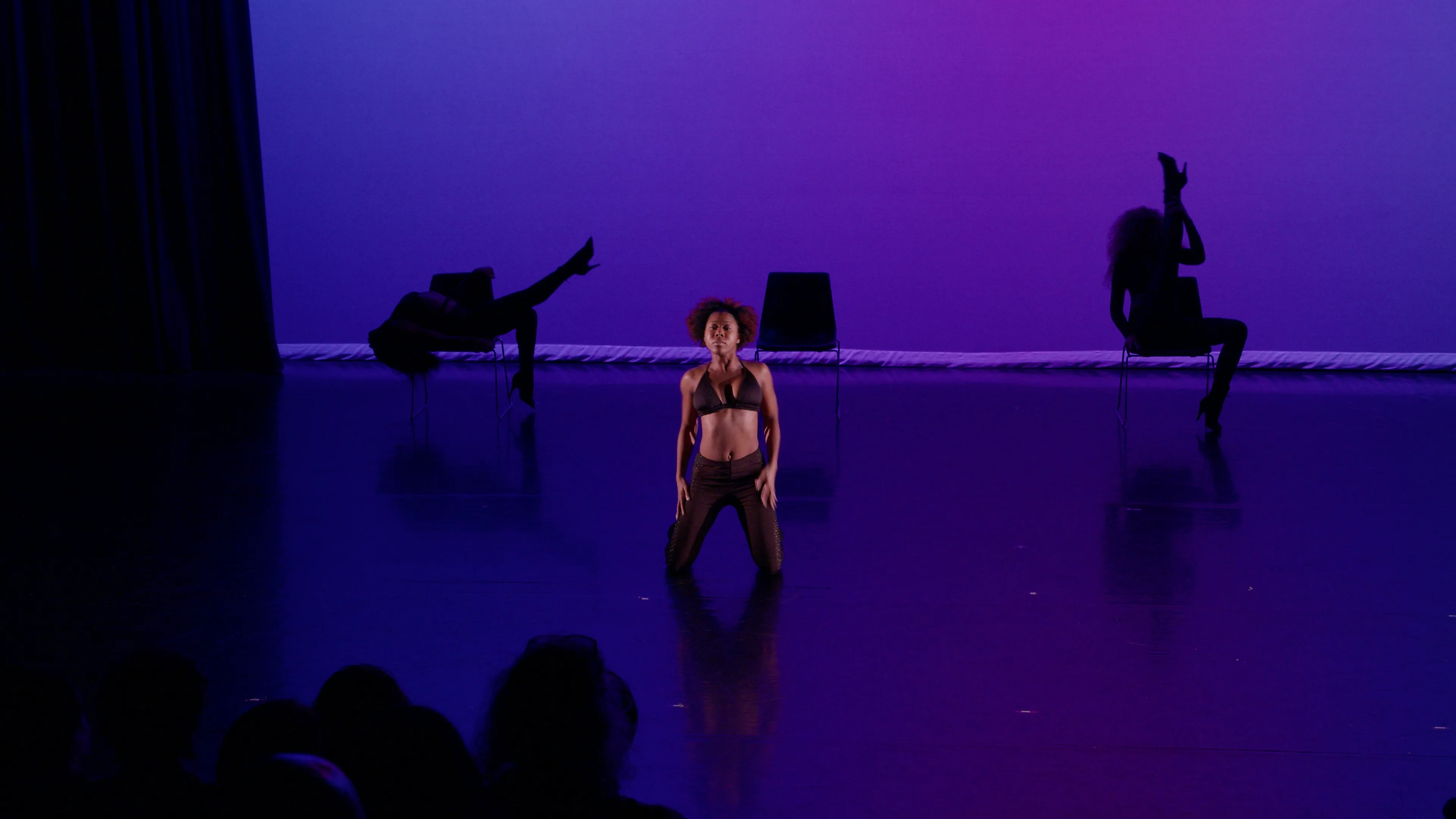
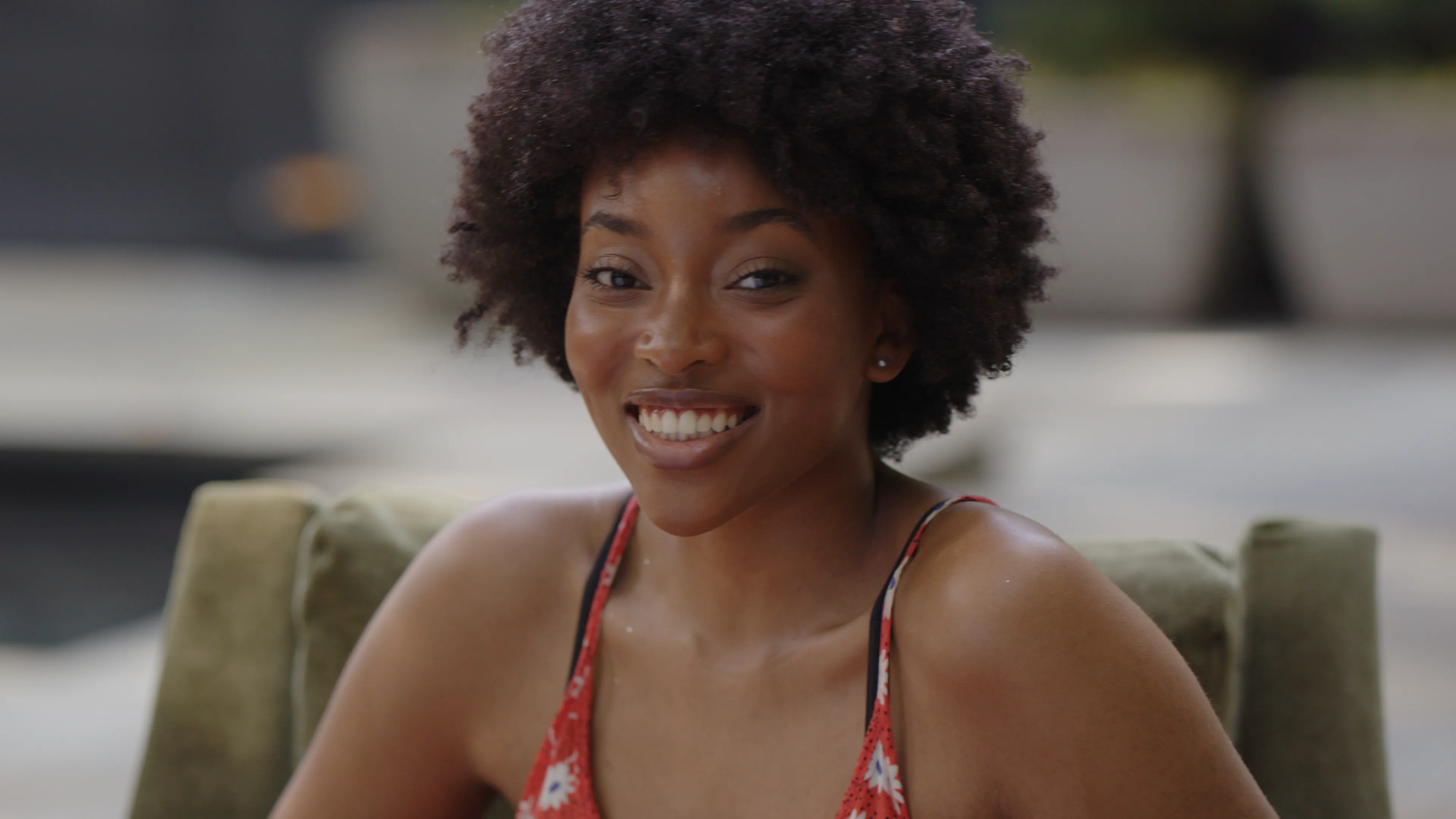
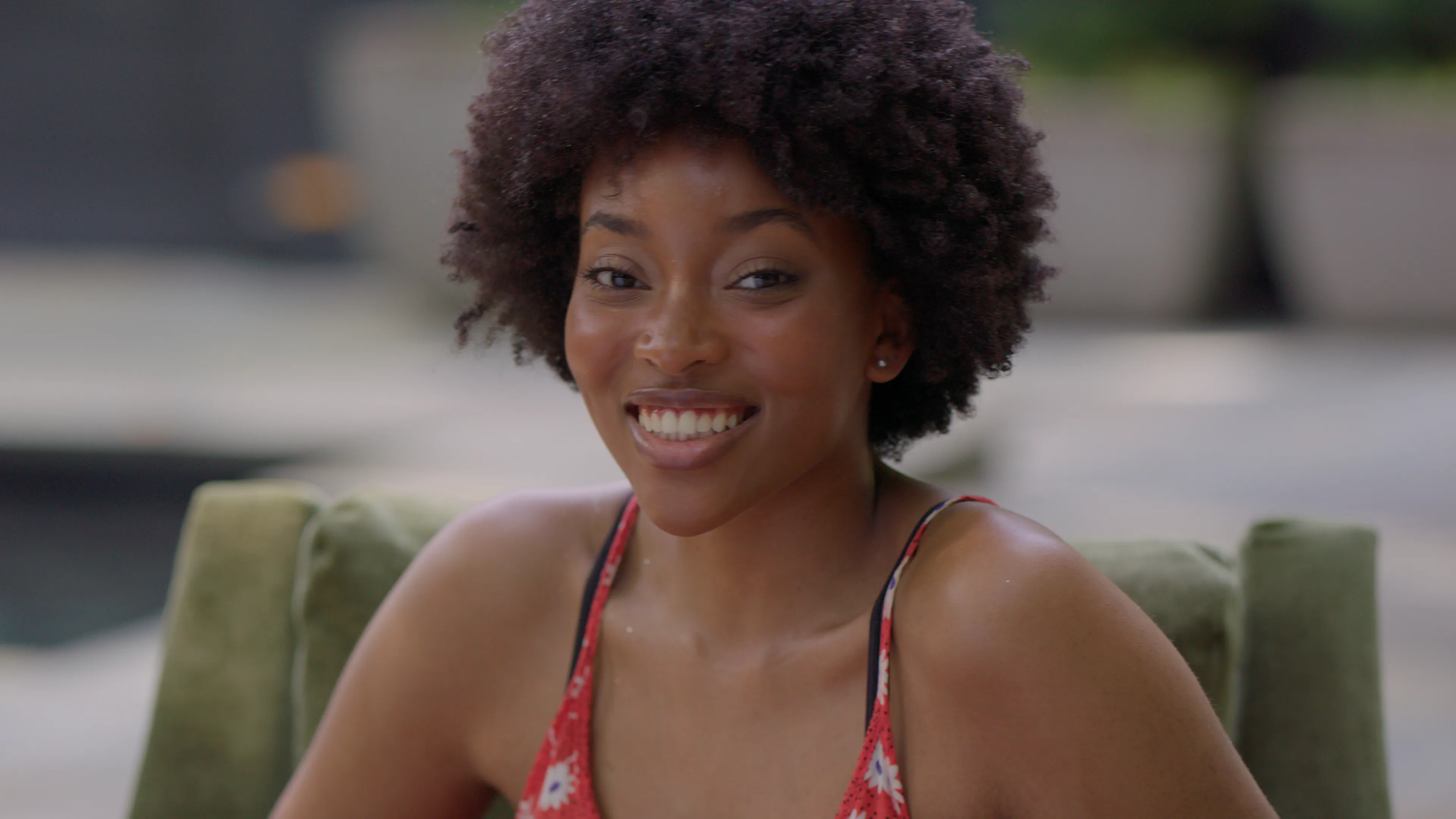
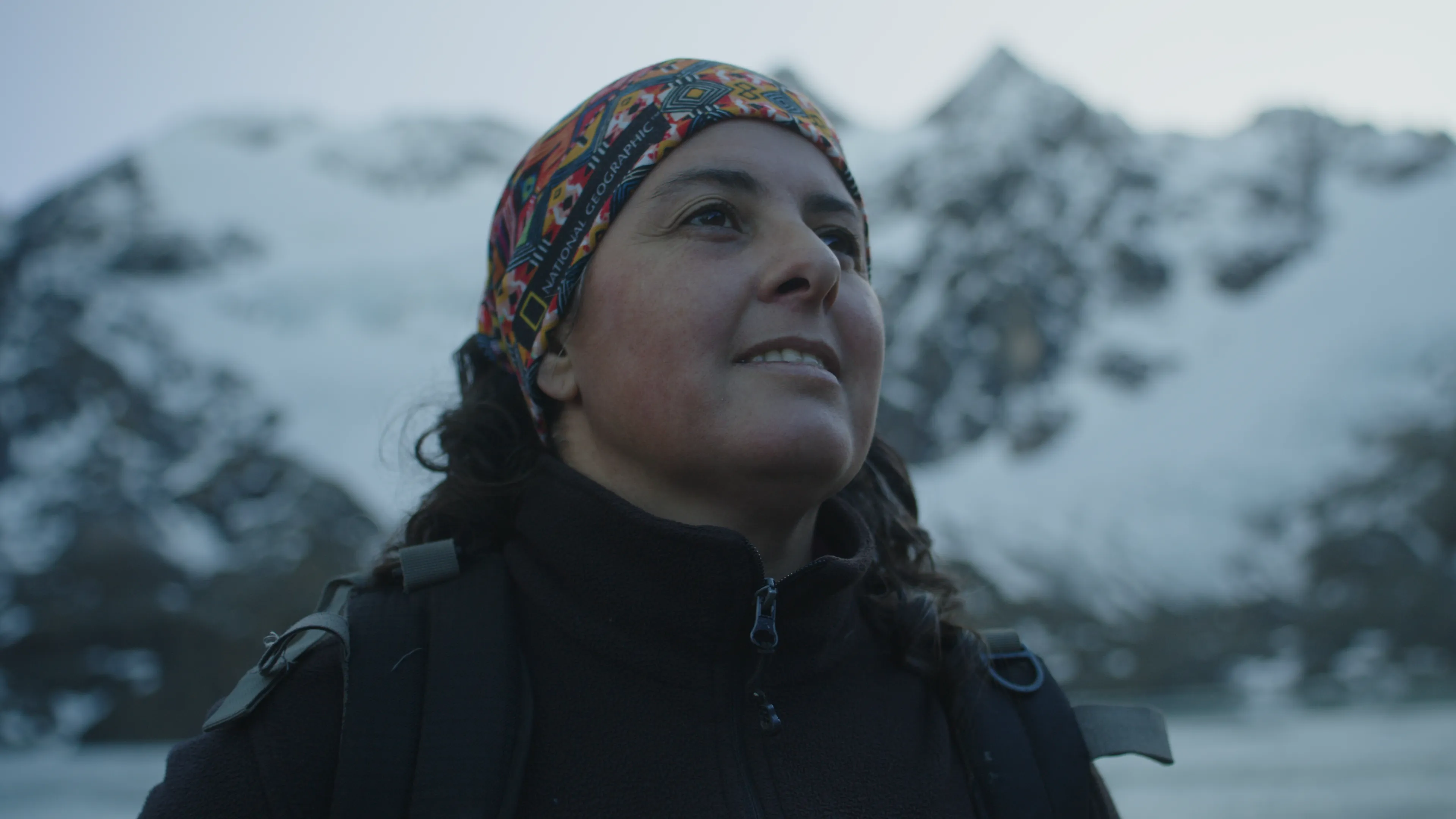
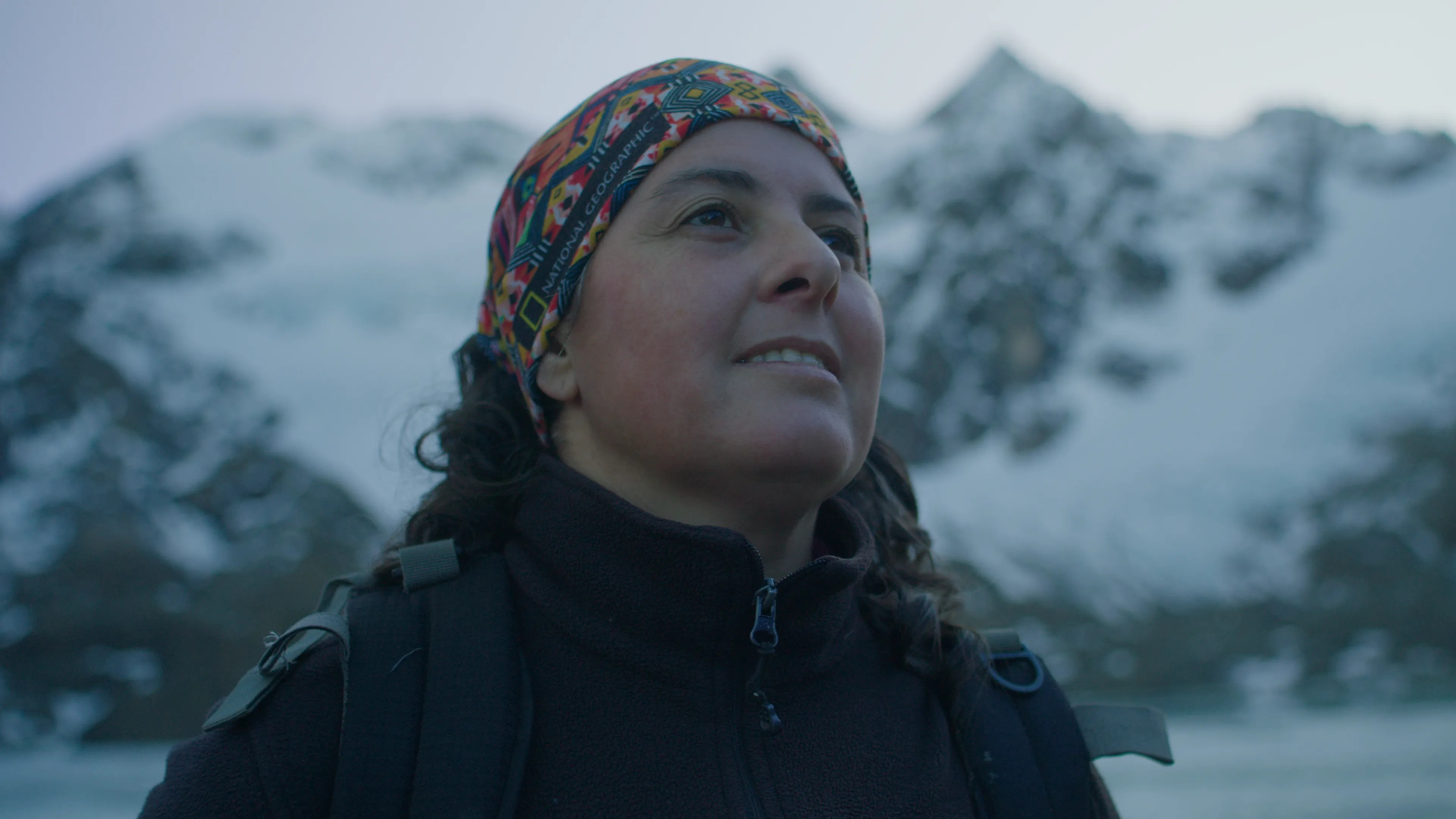
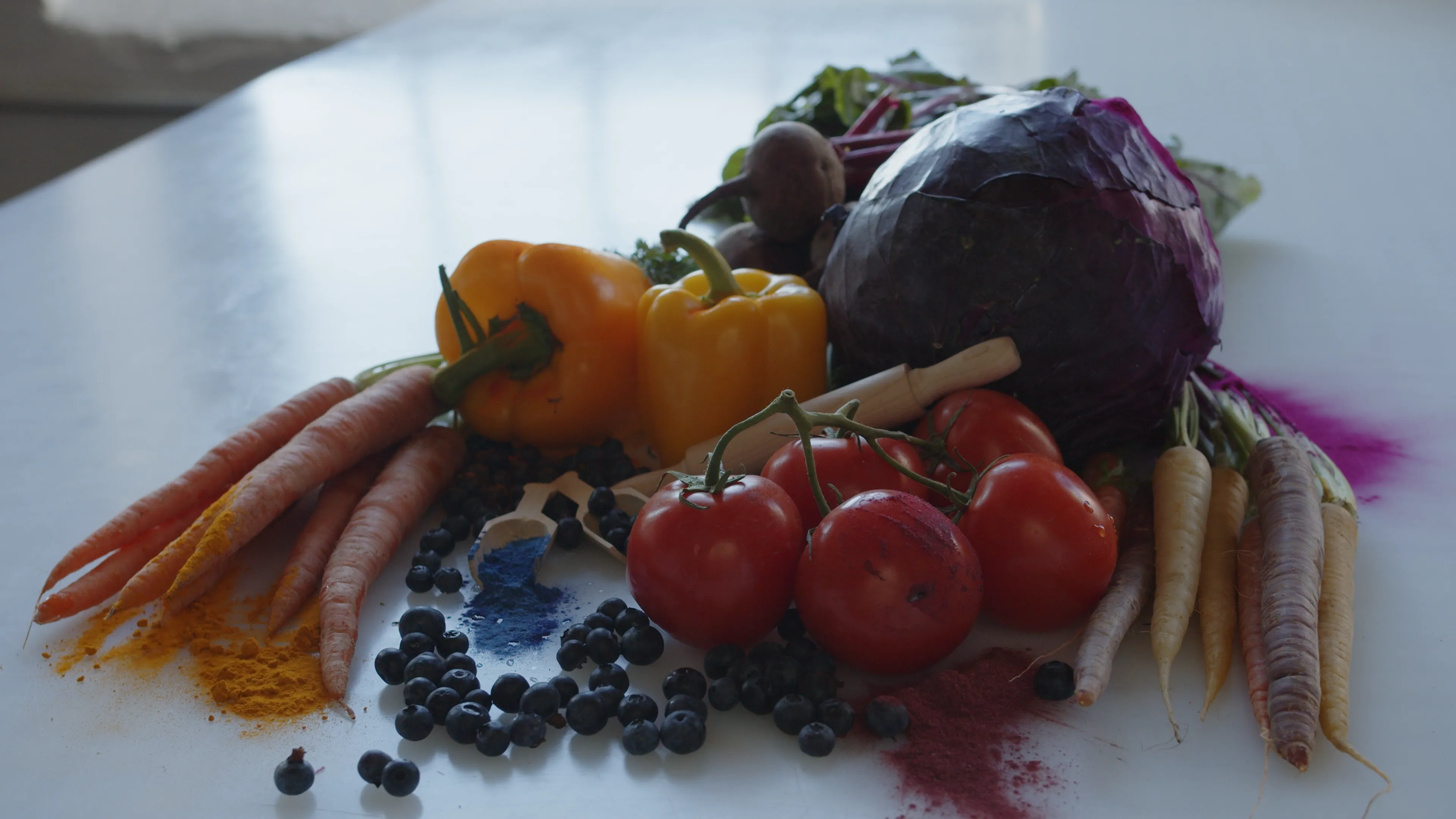
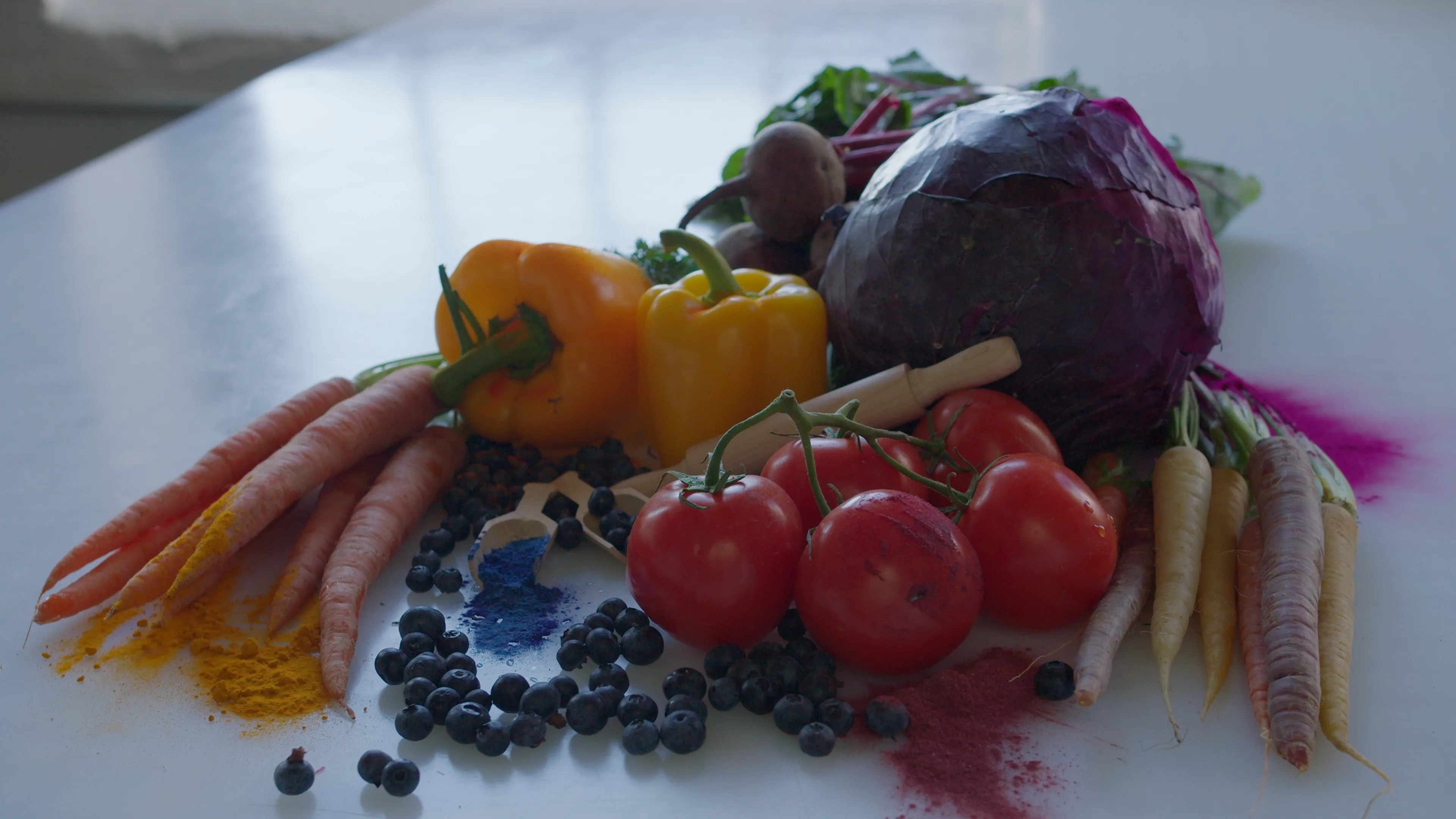
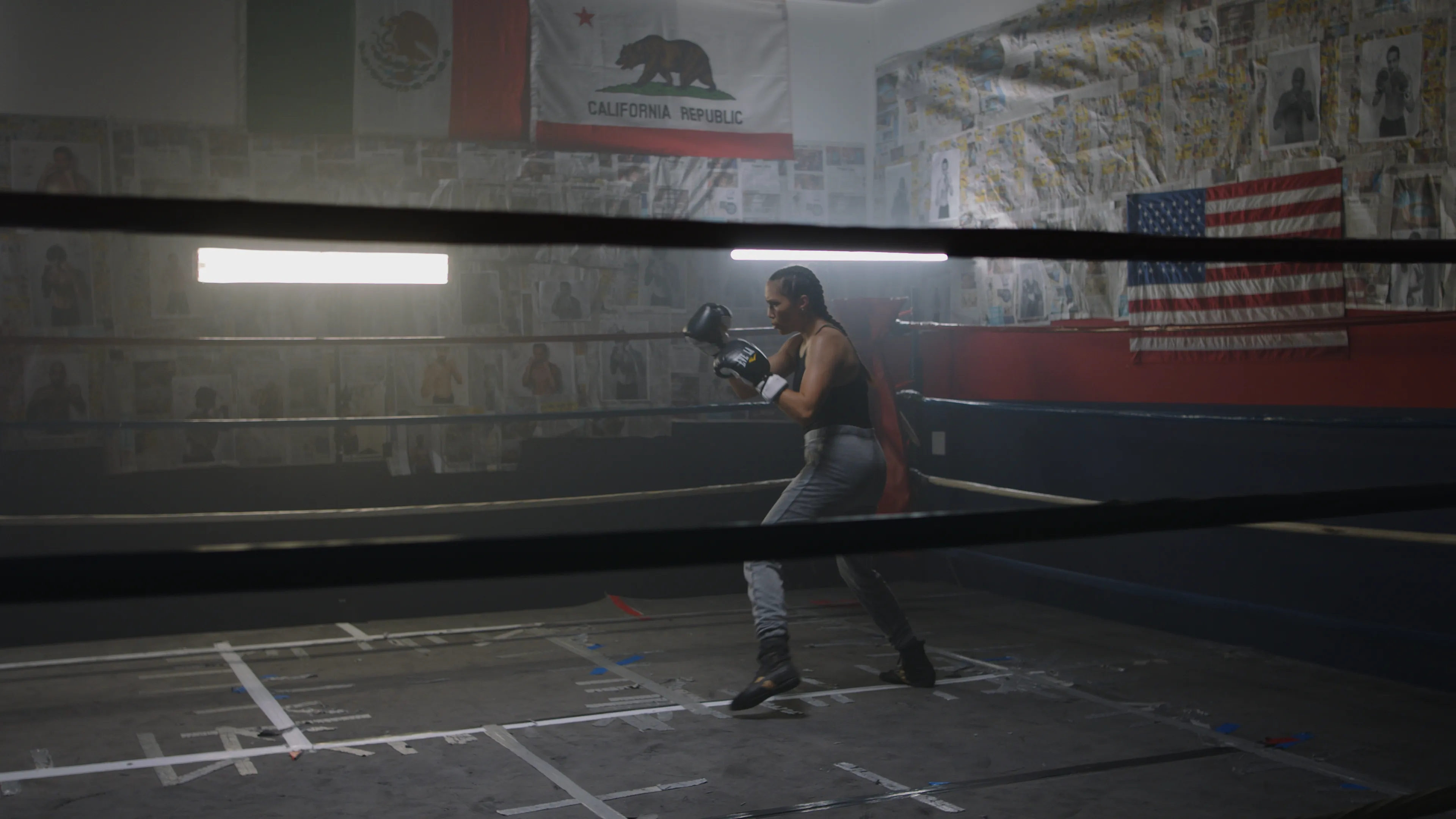
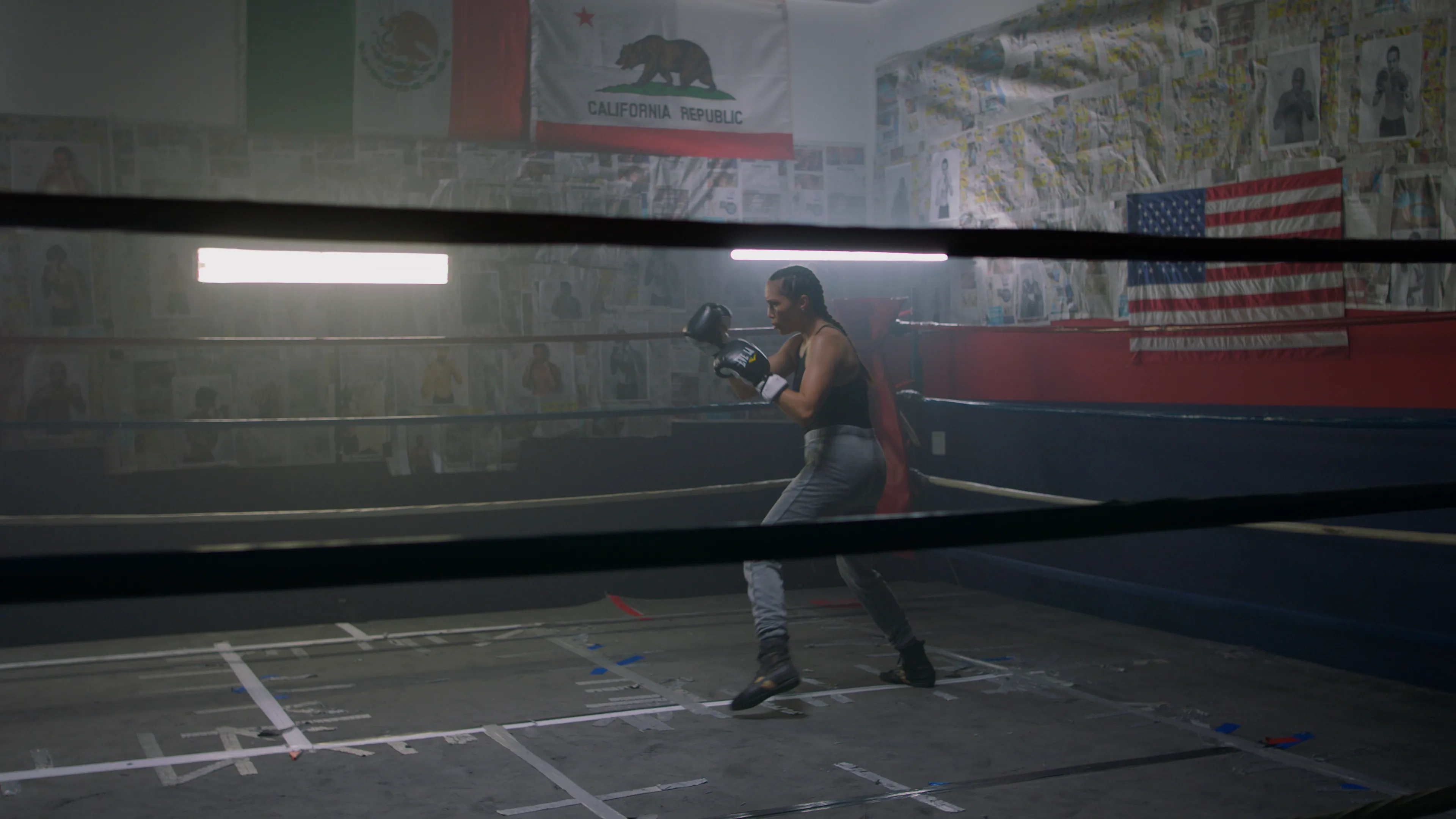
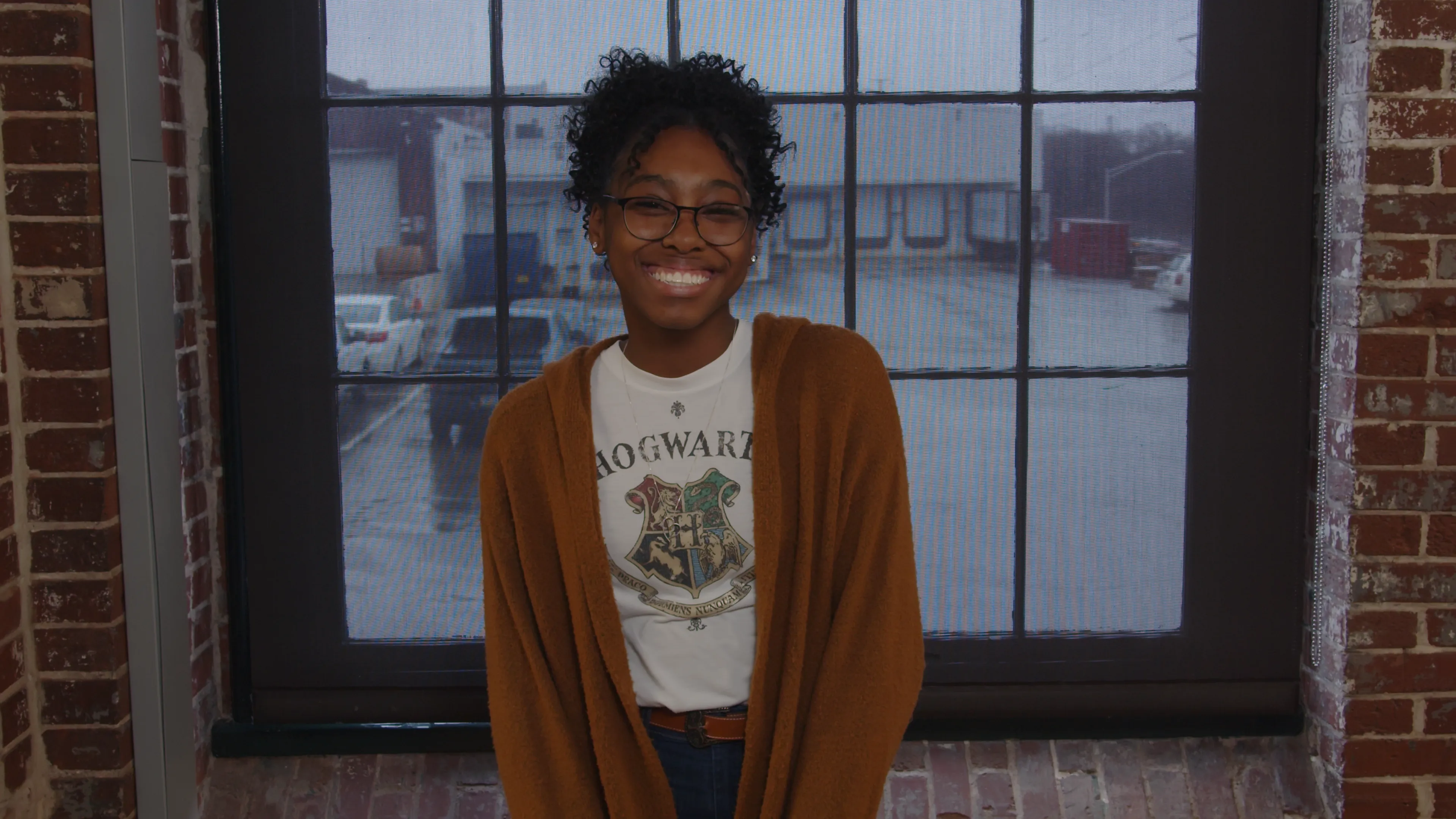
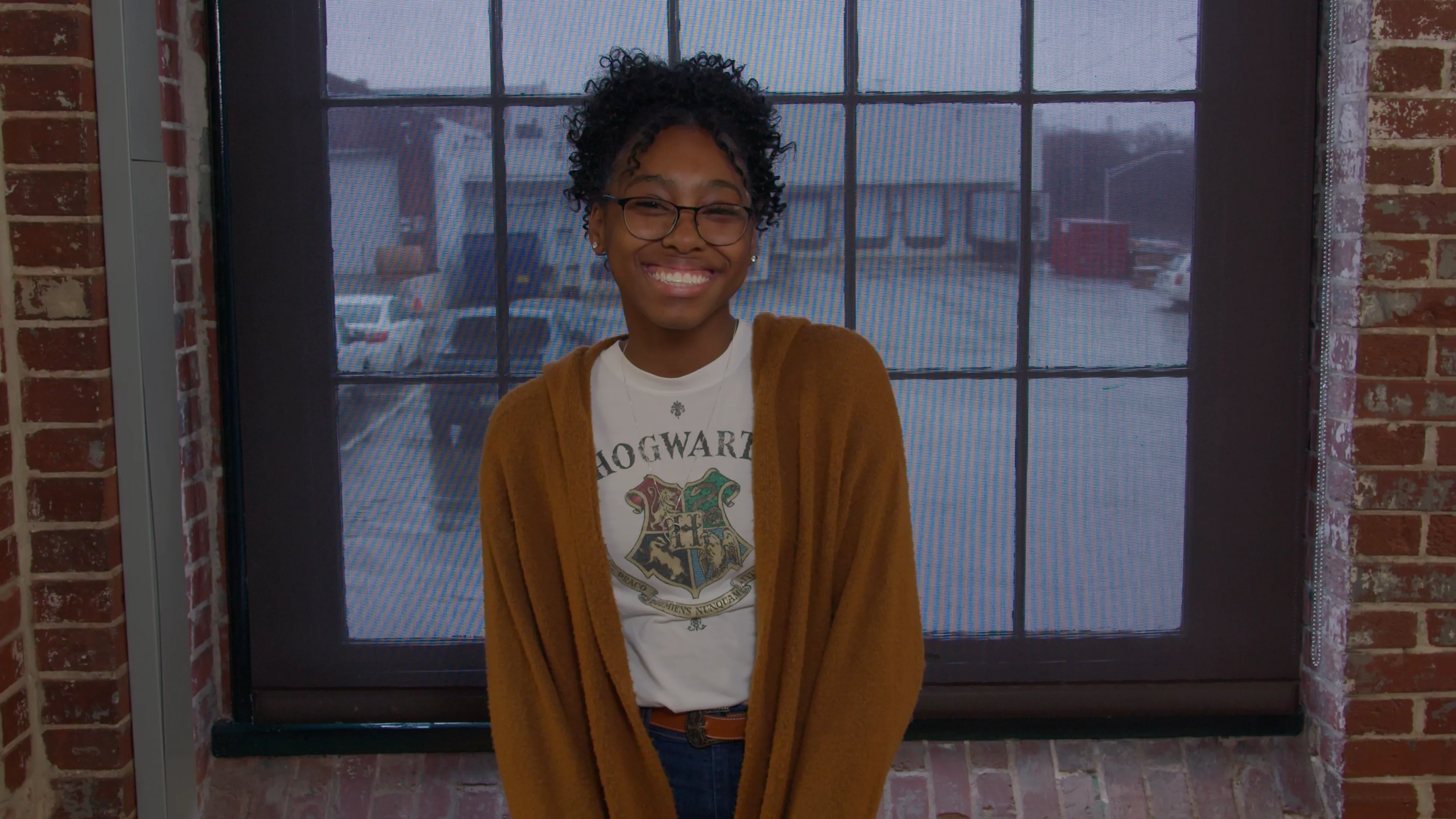
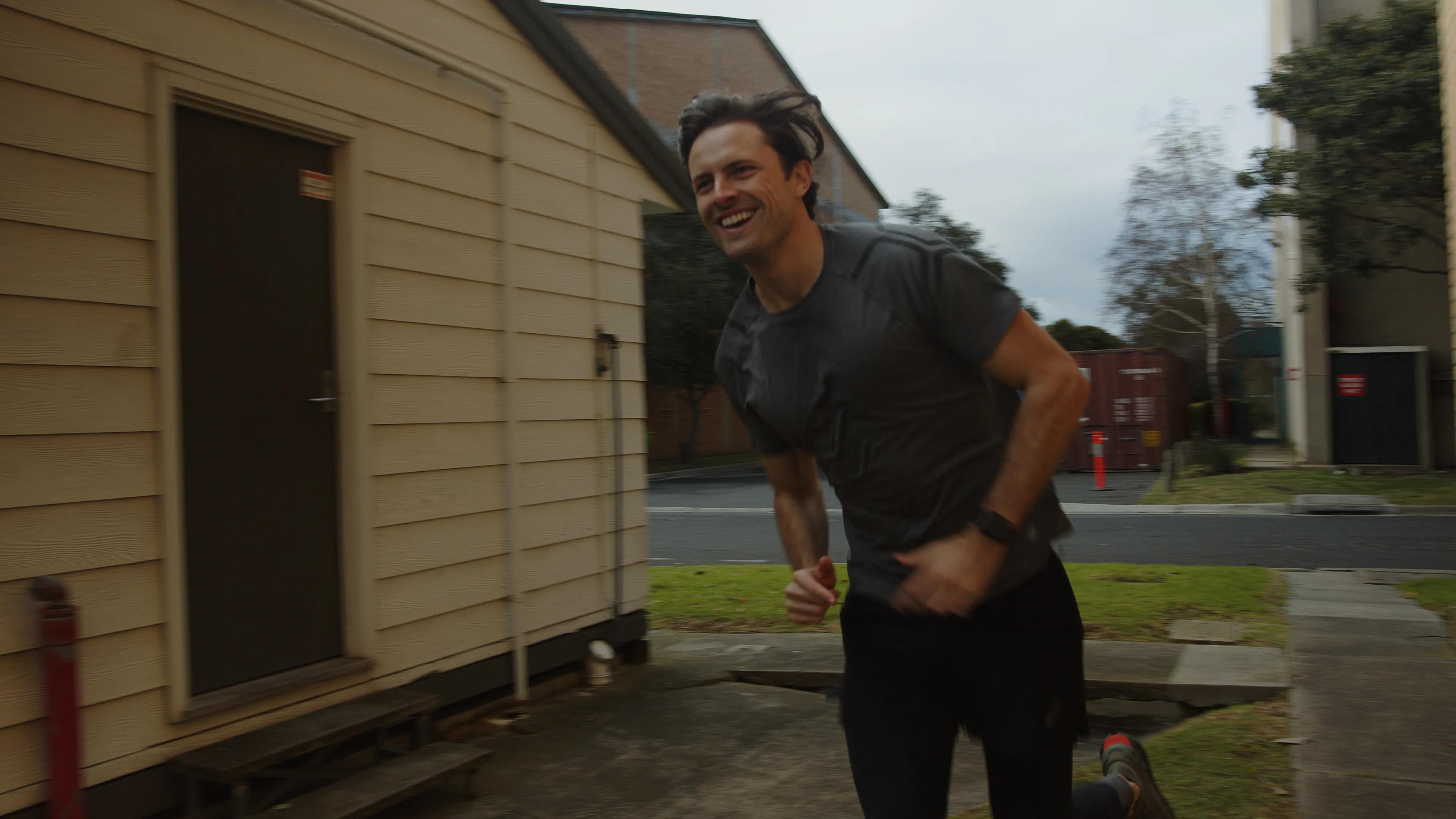
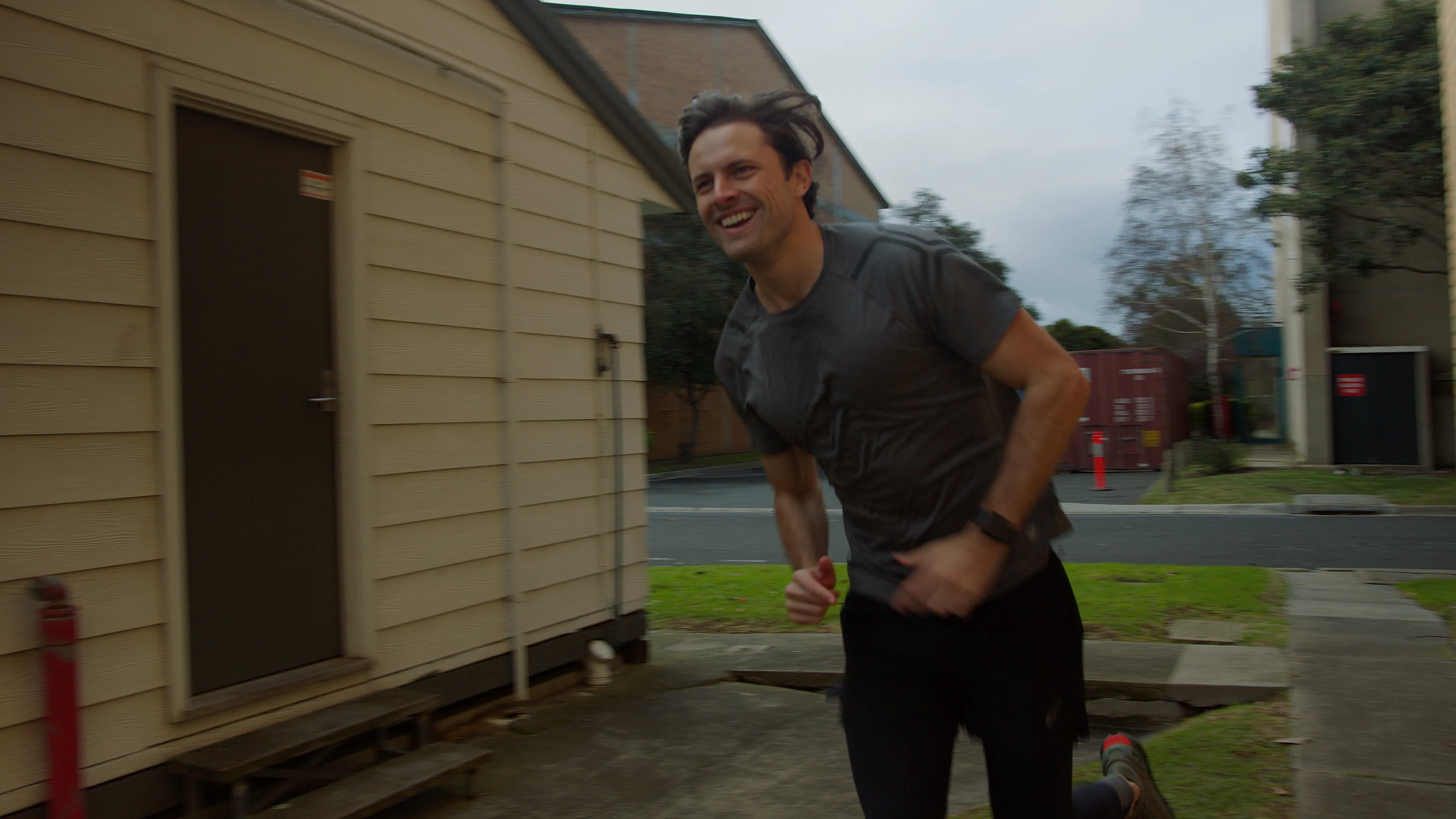
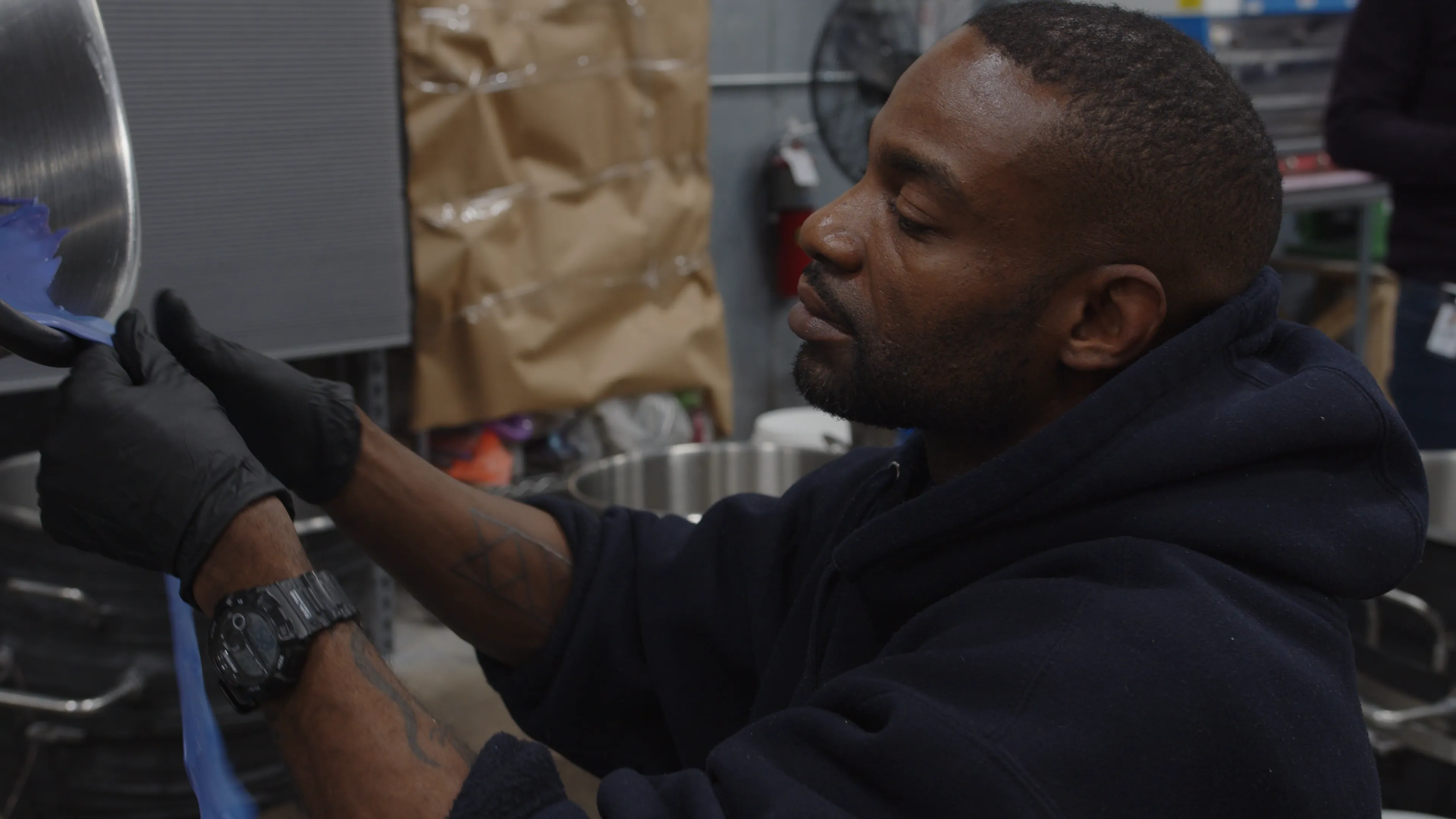
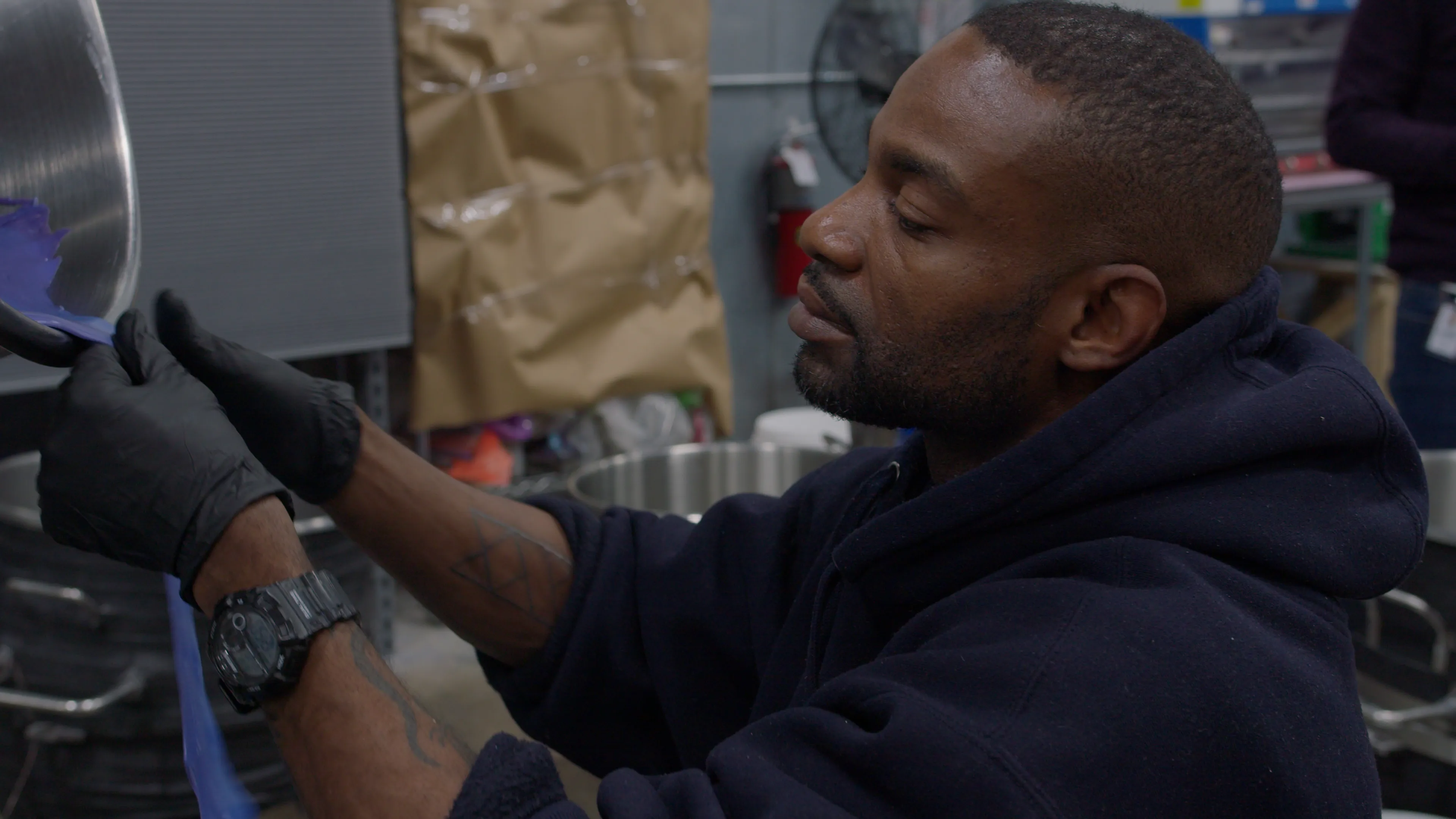
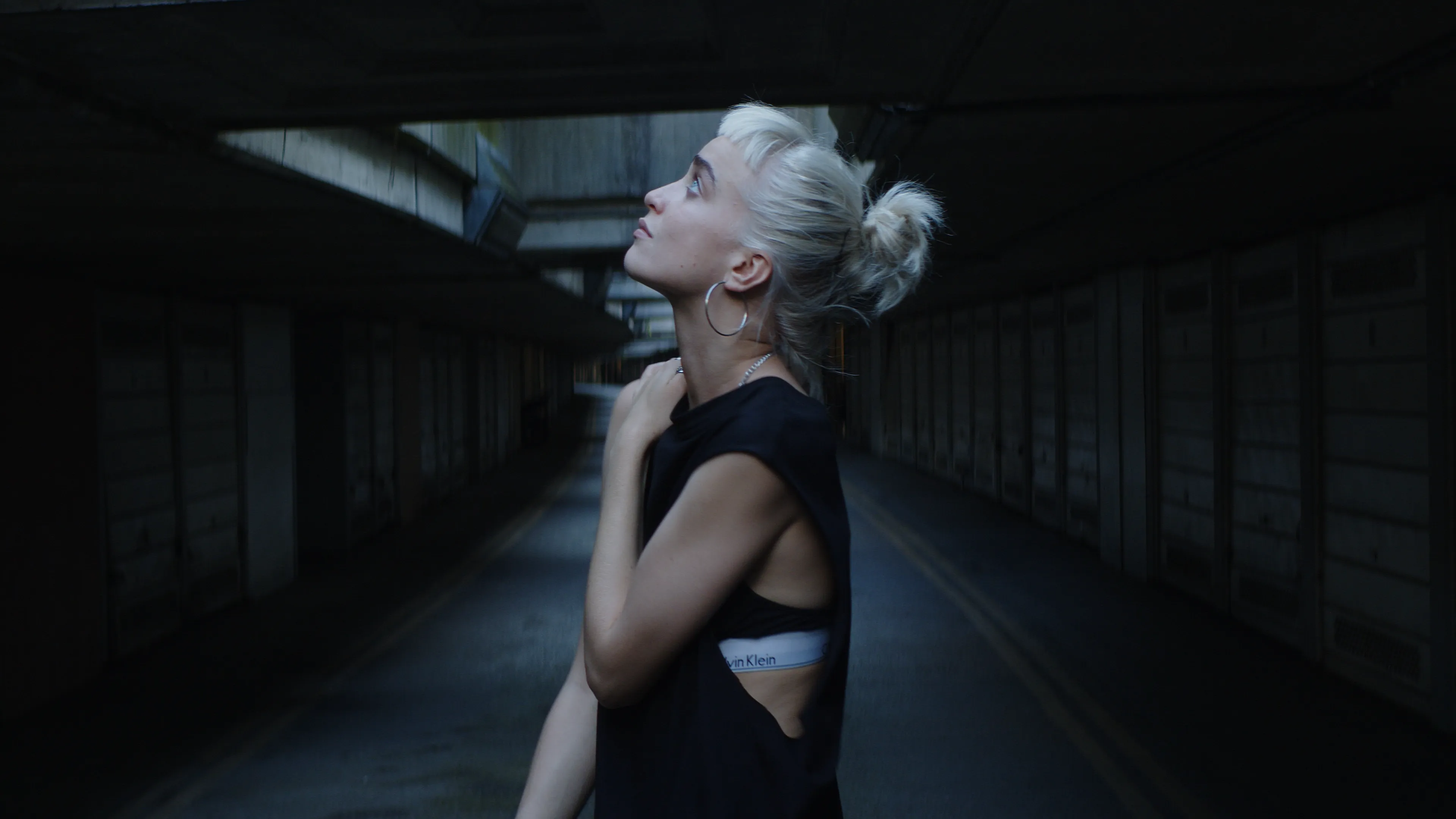
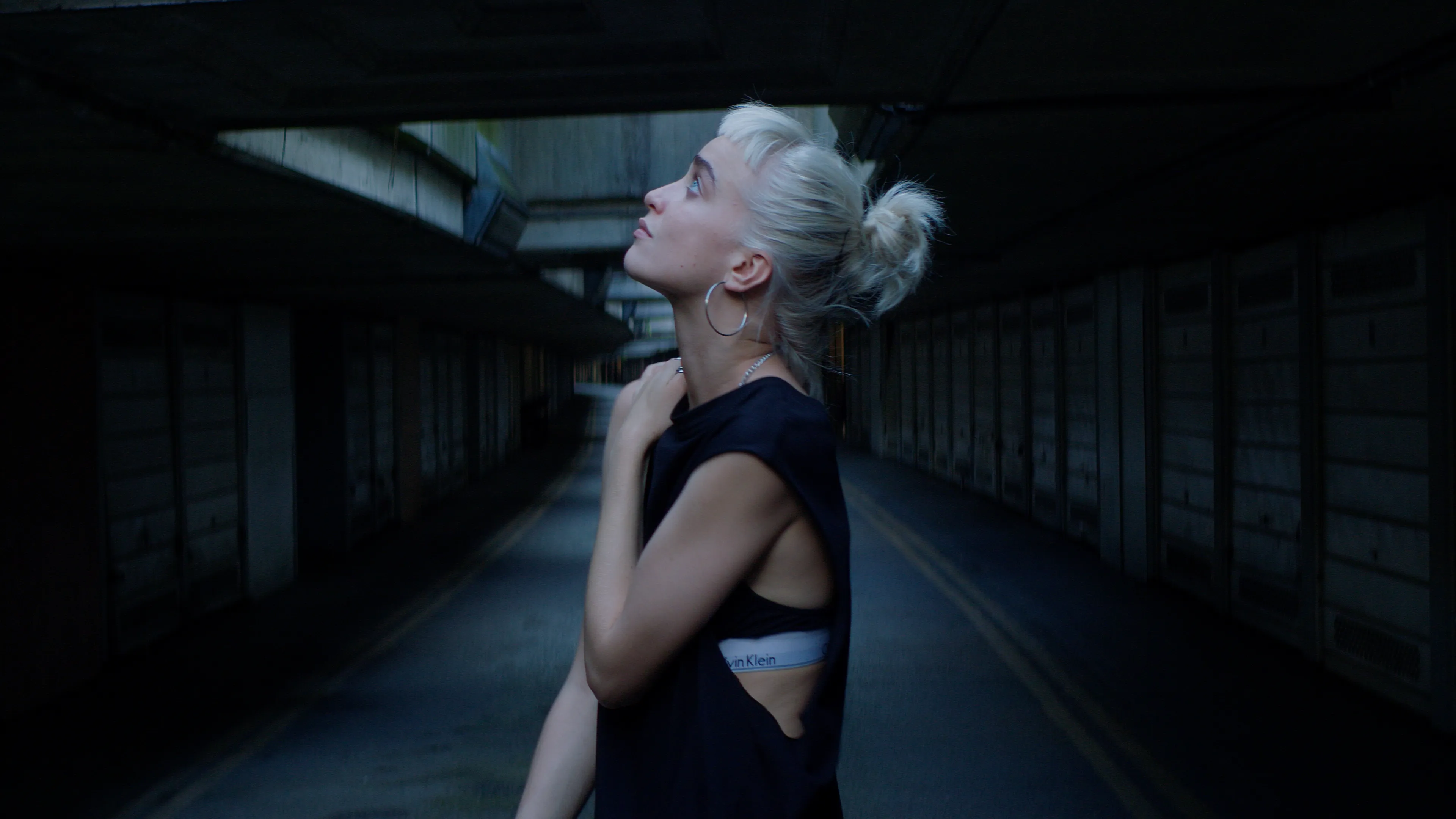
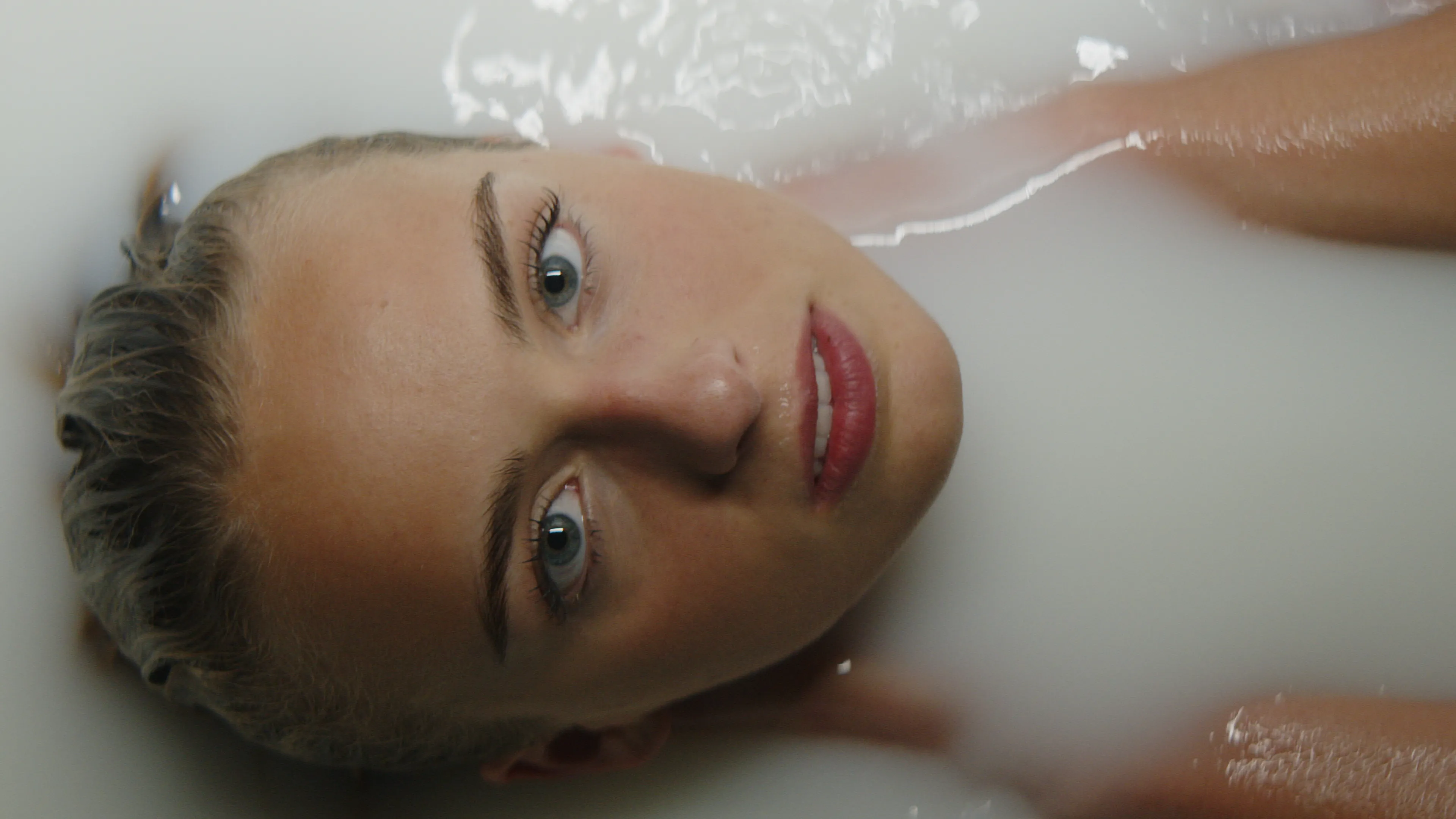
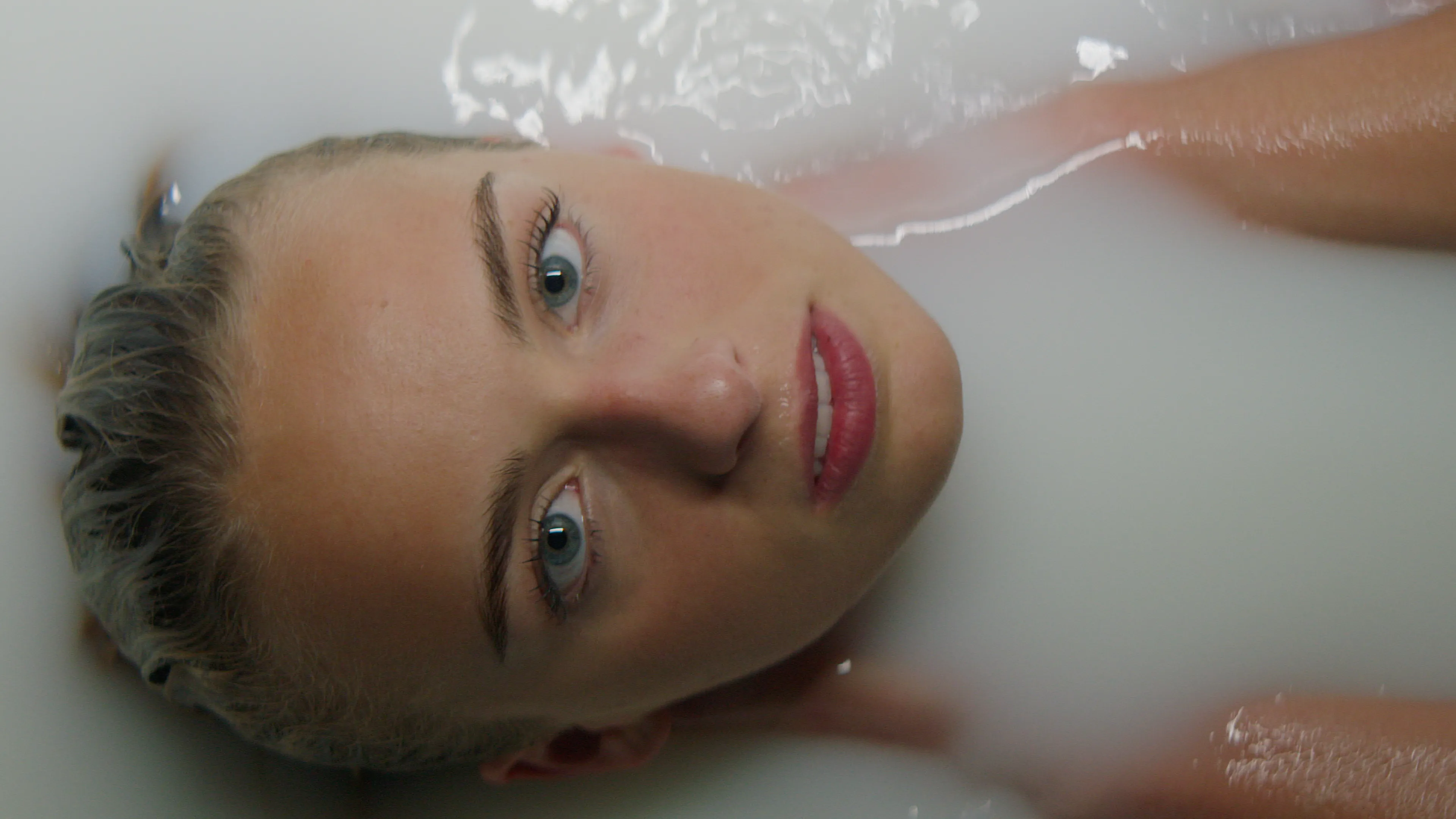
Arch Pro Plus gives you 12 distinct looks for your footage. Arch Pro Premium gives you the same looks with full DaVinci Wide Gamut support!
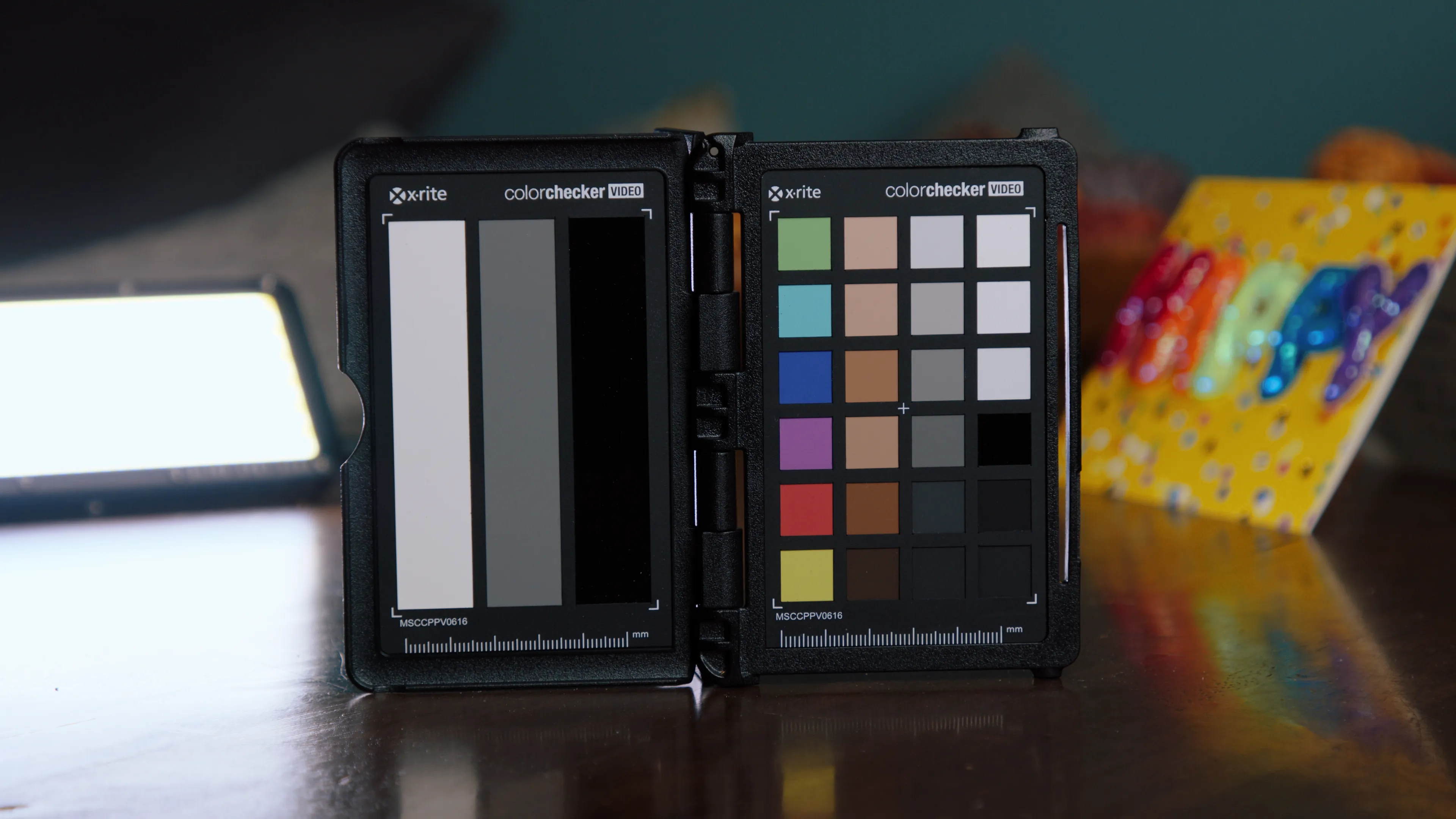
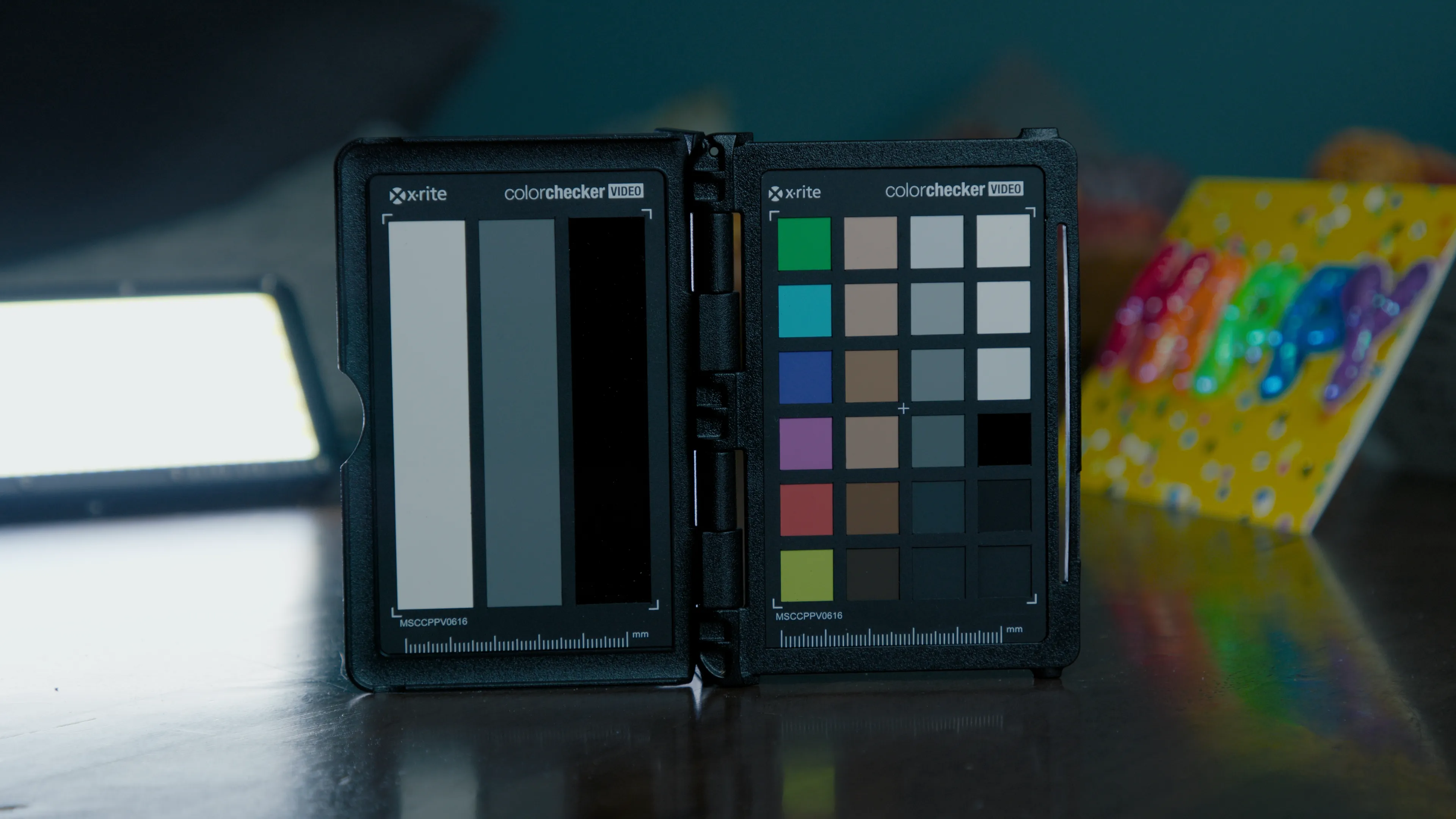
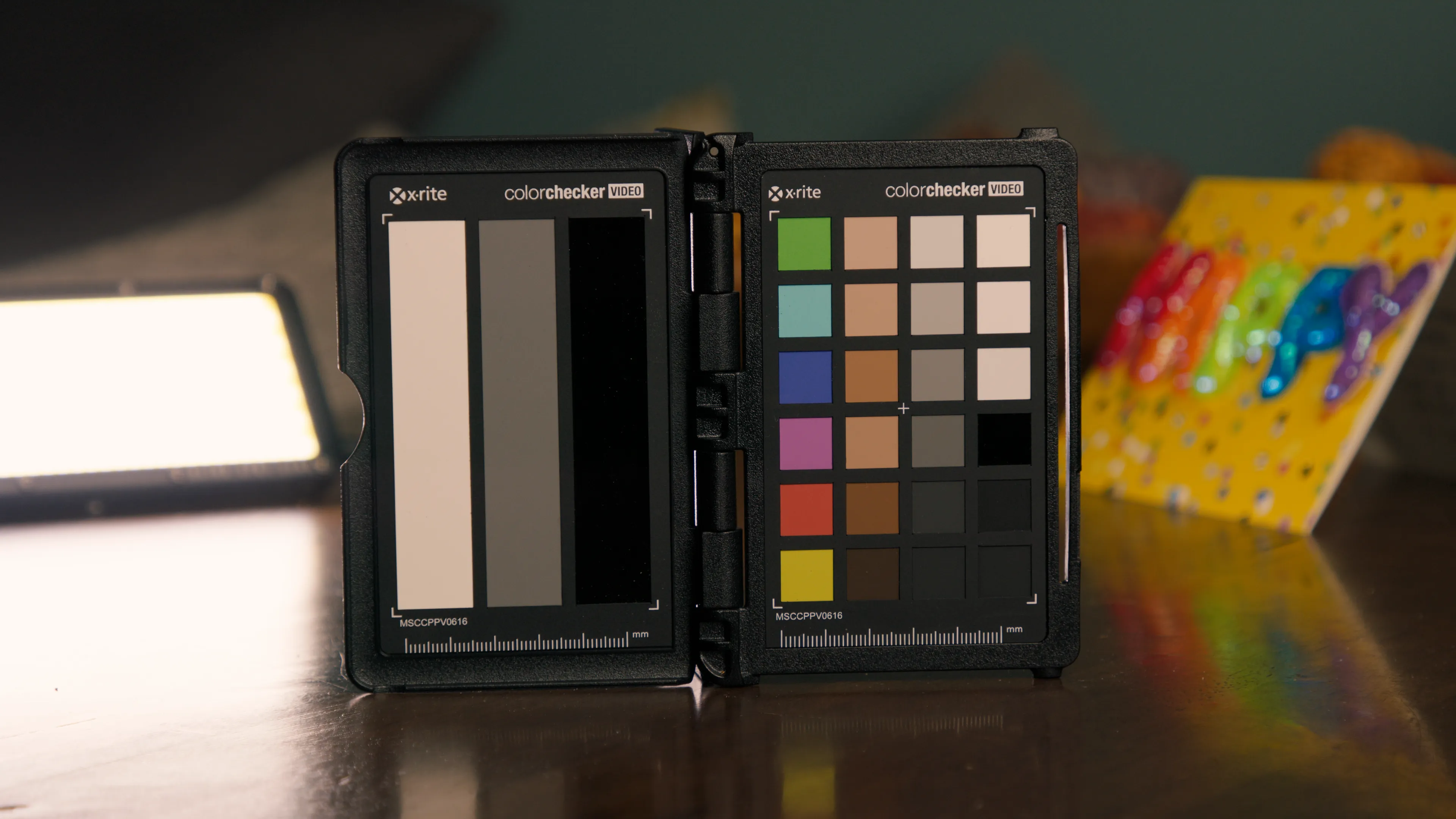
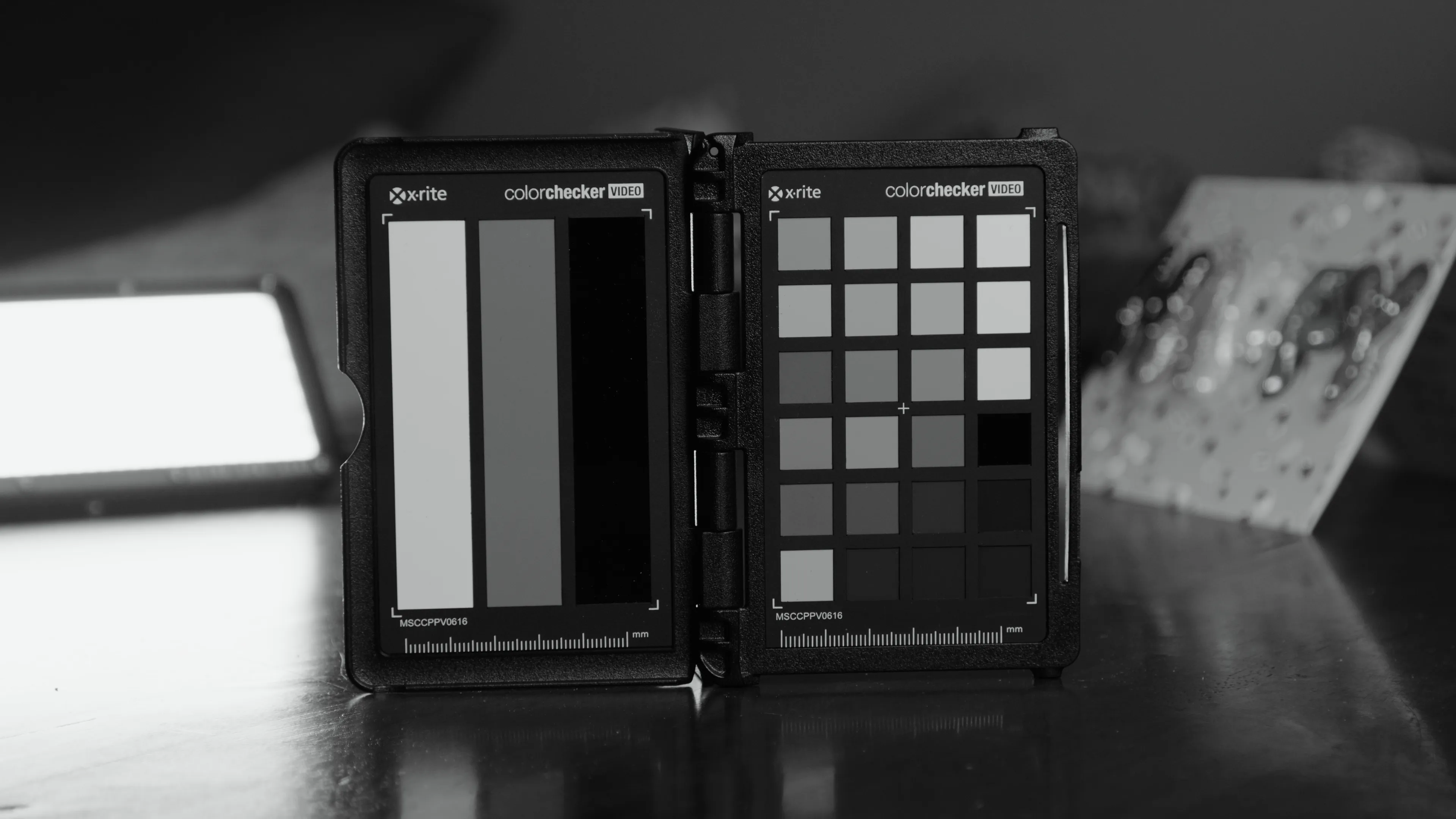
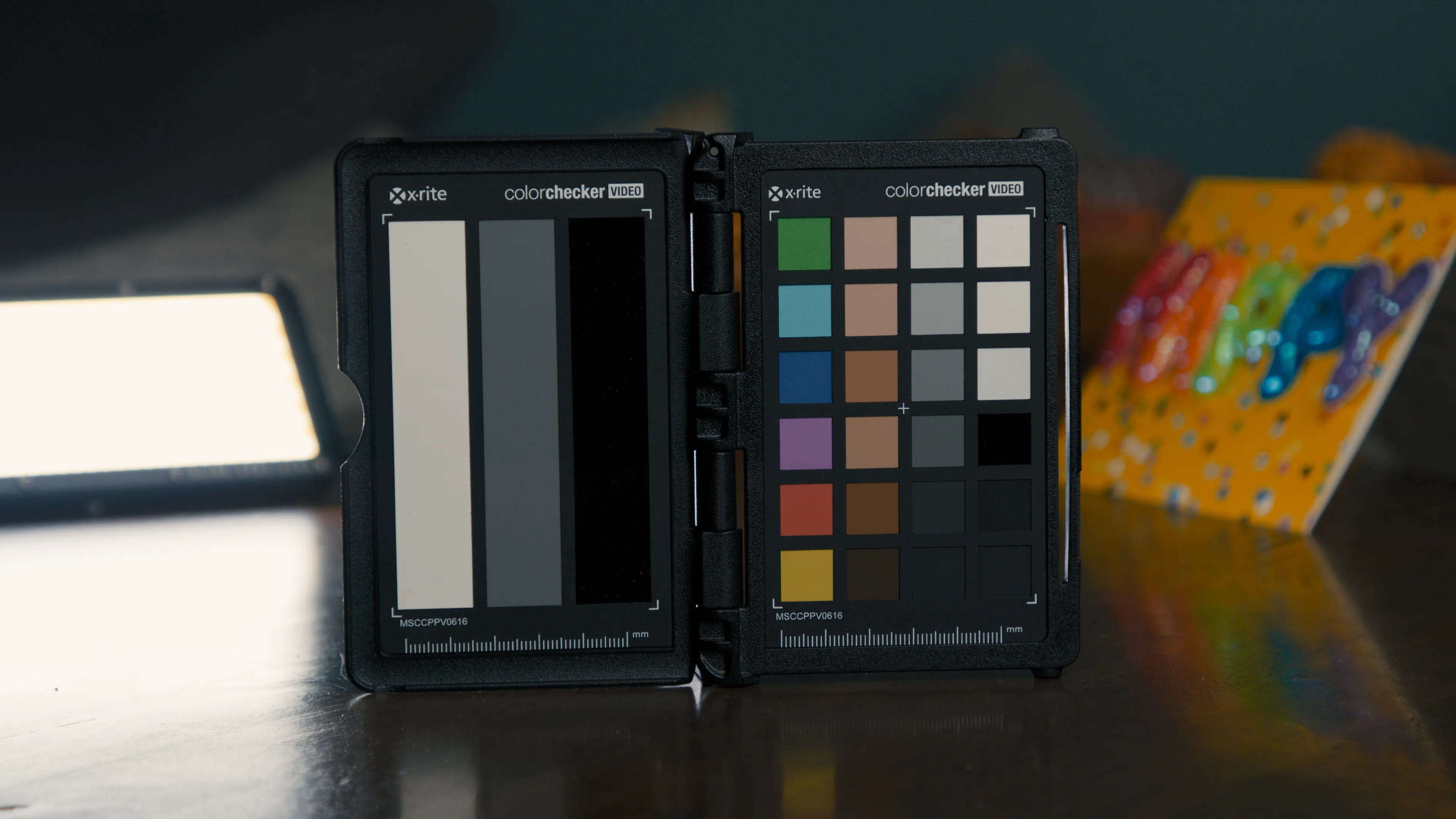
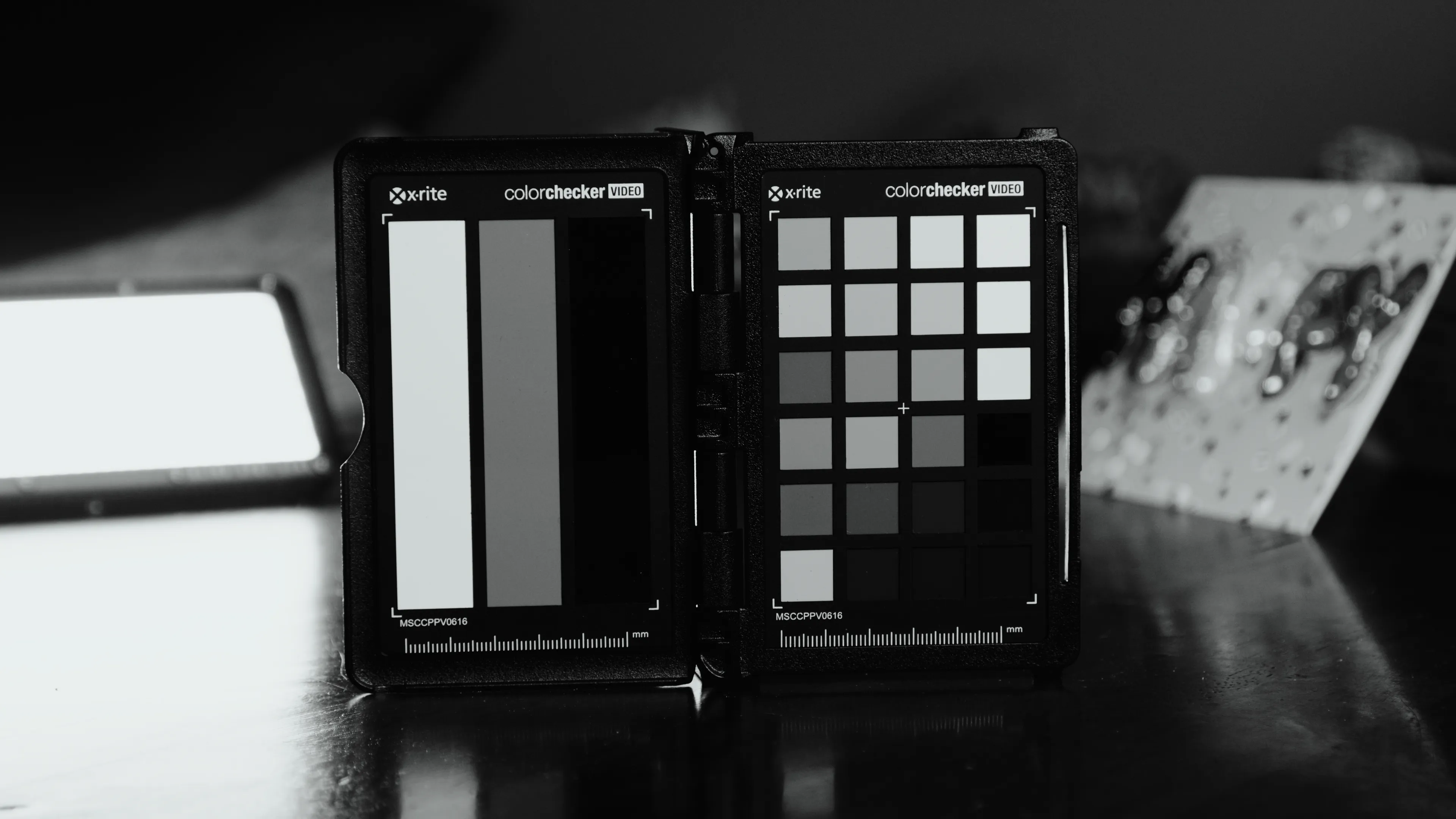
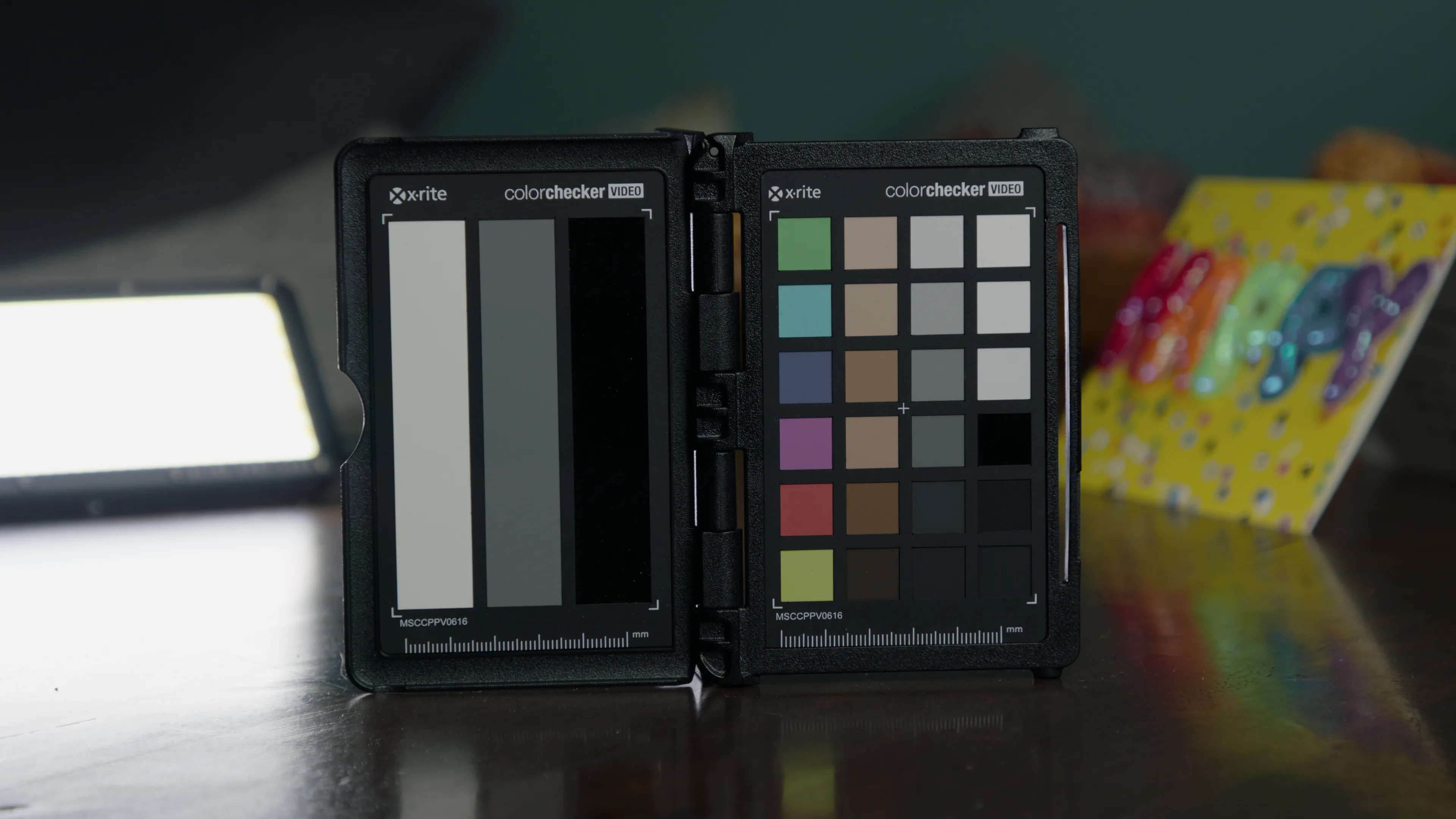
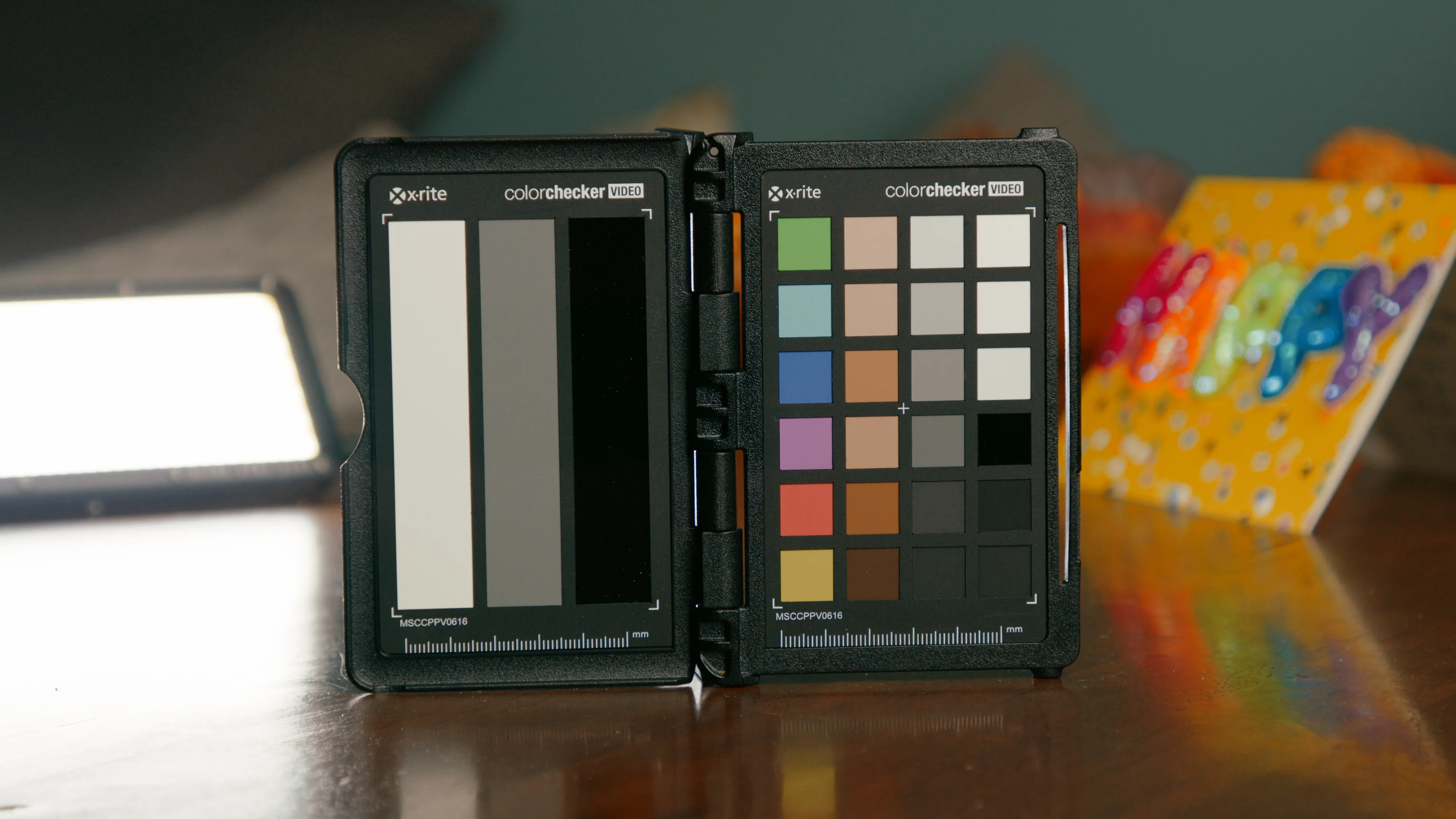
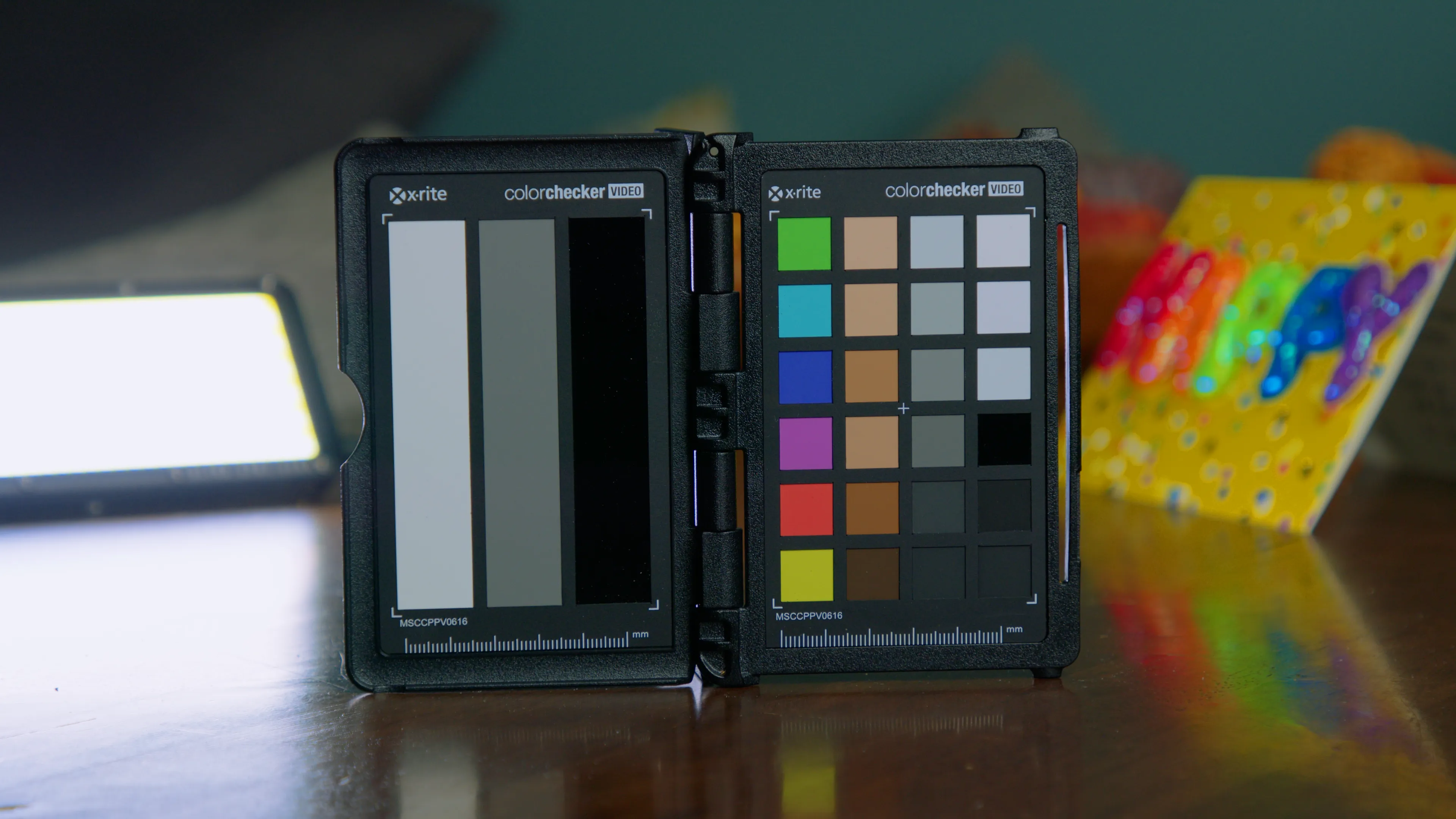
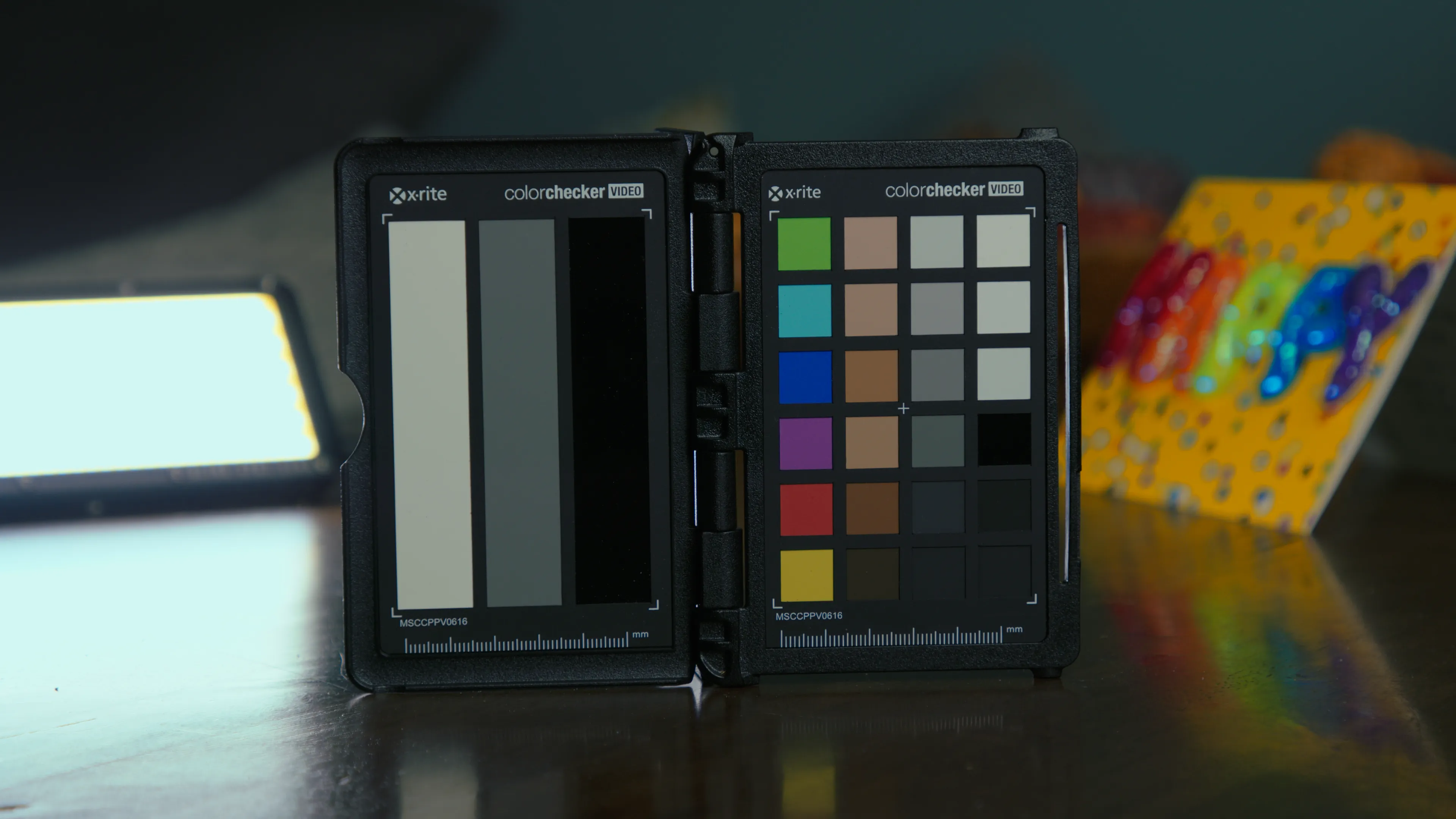
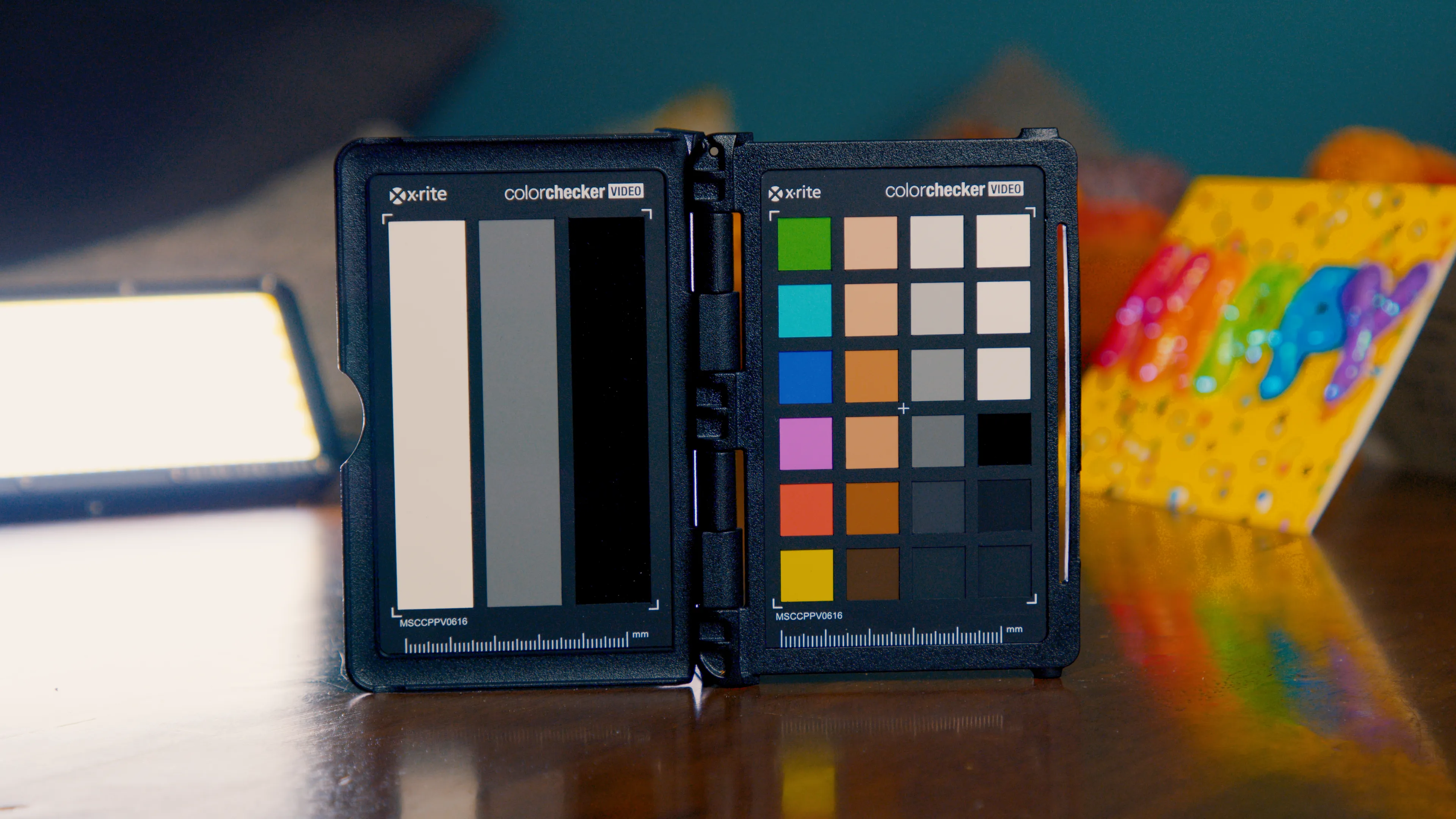
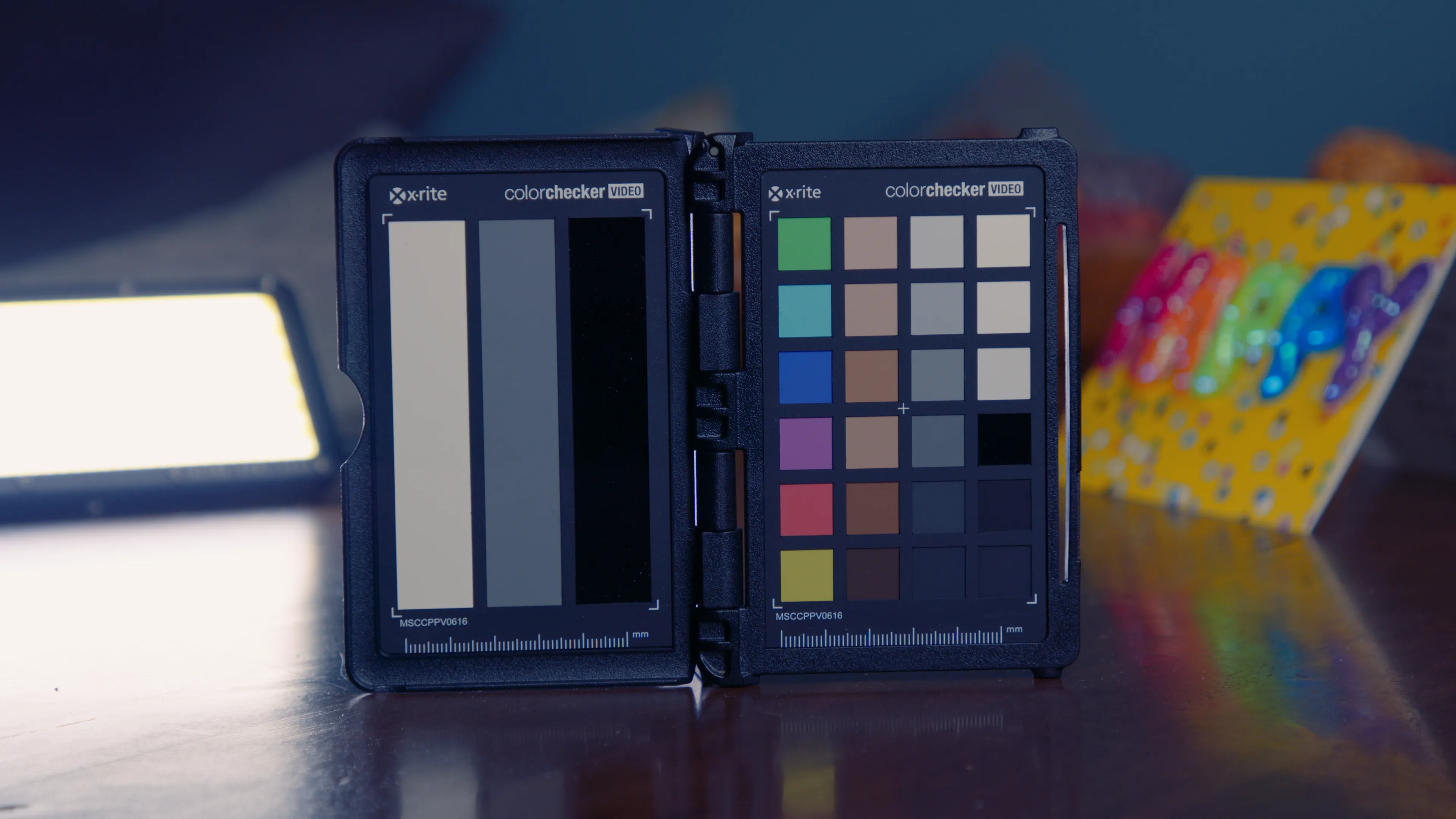
Use this nifty chart to help you decide which flavor of Arch Pro is right for you.
Not sure? Start with Plus — it’s what ~70% of customers choose! BeautyAndTheSenior 20 08 30 Mia Evans And Marce...
These are just a handful of teams that rely on Arch Pro for their productions.






The top priority of this LUT is to make skin tones—of all shades—look remarkable.

Between shooting midday weddings & music festivals, I've mastered the art of the highlight roll off!

I always find myself tinting towards magenta in-camera, so I set out to fix the green channel!

Gives you a very robust starting point that holds up to heavy grading and effects.

Yanno how the Extended Video LUT just kinda looks like mud? Well, kiss that look goodbye!

Compatible with any application that supports LUTs on Windows, Mac, and iOS.

As new LUTs are developed for the set or Blackmagic Color Science evolves, you'll get updates for free!
Technically, the photographer’s choices are assured. Depth of field is shallow enough to isolate faces and hands but wide enough to keep contextual hints legible. The focus is meticulous—eyes sharp, skin textured—while the grain or subtle film noise (if present) lends authenticity. Framing favors the rule of thirds without slavishly obeying it; negative space on one side gives the subjects room to breathe and allows the eye to wander and return.
Commentary — "BeautyAndTheSenior 20 08 30 Mia Evans And Marce"
Ultimately, “BeautyAndTheSenior 20 08 30 Mia Evans And Marce” succeeds because it resists grandiosity. It is not a proclamation but a close reading of a small human moment: an exchange held between two people at a hinge point. It asks us to witness rather than to judge, to feel rather than to explain. The beauty here is durable—born of presence, light, and the tacit agreement between subject and observer to honor a fleeting, meaningful now.
Symbolic details do quiet work. A background element—a closed classroom door, an out-of-focus graduation banner, a sun-faded bicycle—would point toward adolescence and endings; alternately, a cup of coffee, a pair of reading glasses, or a library stack would suggest study, mentorship, and the accumulation of knowledge. Whatever the specifics, these objects act as anchors for interpretation: they confirm that this is a portrait of transition, illuminated by an ordinary, human tenderness.
Emotionally, the photograph reads as an elegy to particular kinds of intimacy. The proximity between Mia and Marce implies trust and familiarity, but there’s also autonomy—each occupies her own interior space. This balance allows multiple narratives: mentor and protégé, siblings separated by years but bound by memory, close friends bracing for a parting. The viewer supplies context from their own archive of departures and arrivals, which is precisely the work the image asks us to do.
Color palette is deliberate and telling. Muted earth tones—burnt umber, olive, the palest cream—dominate, with a single brighter accent (perhaps a ribbon, a pendant, or the glint of summer grass) that punctuates the scene. This restrained chromatic choice emphasizes mood over spectacle, inviting inspection rather than immediate admiration. Light is used almost as a character: it sculpts faces, traces the fine lines at the eyes and mouth, and seems to record not just the present but a ledger of small, shared moments.
Visual composition leans on asymmetry. Mia’s face catches the light more directly; the catch in her eyes is alive with immediate feeling—anticipation, a guarded hope—while Marce’s features are more shaded, offering solidity and quiet reflection. The diagonal formed by their bodies draws the viewer’s eye from foreground to background, creating depth that feels like a small narrative in motion. Textures are eloquent: the soft knit of Mia’s sweater contrasts with the rougher weave of Marce’s jacket, suggesting disparate histories woven together in the same instant.
The frame holds a quiet, late-summer stillness: sunlight thinned by the weight of an ending season, soft and golden as if filtered through memory. Mia Evans is positioned slightly forward, her posture poised between youthful insistence and a cultivated calm; Marce stands just behind and to the side, a presence that reads as both guardian and counterpart. The title—BeautyAndTheSenior—sets up a gentle tension: beauty here is not vanity but something accrued, observed; “senior” suggests a moment of transition, perhaps the cusp of graduation or the dignified age of lived experience. The date anchors the scene in August 2020, a time many remember for its suspended normalcy, which lends the image an undercurrent of fragile poignancy.
Technically, the photographer’s choices are assured. Depth of field is shallow enough to isolate faces and hands but wide enough to keep contextual hints legible. The focus is meticulous—eyes sharp, skin textured—while the grain or subtle film noise (if present) lends authenticity. Framing favors the rule of thirds without slavishly obeying it; negative space on one side gives the subjects room to breathe and allows the eye to wander and return.
Commentary — "BeautyAndTheSenior 20 08 30 Mia Evans And Marce"
Ultimately, “BeautyAndTheSenior 20 08 30 Mia Evans And Marce” succeeds because it resists grandiosity. It is not a proclamation but a close reading of a small human moment: an exchange held between two people at a hinge point. It asks us to witness rather than to judge, to feel rather than to explain. The beauty here is durable—born of presence, light, and the tacit agreement between subject and observer to honor a fleeting, meaningful now.
Symbolic details do quiet work. A background element—a closed classroom door, an out-of-focus graduation banner, a sun-faded bicycle—would point toward adolescence and endings; alternately, a cup of coffee, a pair of reading glasses, or a library stack would suggest study, mentorship, and the accumulation of knowledge. Whatever the specifics, these objects act as anchors for interpretation: they confirm that this is a portrait of transition, illuminated by an ordinary, human tenderness.
Emotionally, the photograph reads as an elegy to particular kinds of intimacy. The proximity between Mia and Marce implies trust and familiarity, but there’s also autonomy—each occupies her own interior space. This balance allows multiple narratives: mentor and protégé, siblings separated by years but bound by memory, close friends bracing for a parting. The viewer supplies context from their own archive of departures and arrivals, which is precisely the work the image asks us to do.
Color palette is deliberate and telling. Muted earth tones—burnt umber, olive, the palest cream—dominate, with a single brighter accent (perhaps a ribbon, a pendant, or the glint of summer grass) that punctuates the scene. This restrained chromatic choice emphasizes mood over spectacle, inviting inspection rather than immediate admiration. Light is used almost as a character: it sculpts faces, traces the fine lines at the eyes and mouth, and seems to record not just the present but a ledger of small, shared moments.
Visual composition leans on asymmetry. Mia’s face catches the light more directly; the catch in her eyes is alive with immediate feeling—anticipation, a guarded hope—while Marce’s features are more shaded, offering solidity and quiet reflection. The diagonal formed by their bodies draws the viewer’s eye from foreground to background, creating depth that feels like a small narrative in motion. Textures are eloquent: the soft knit of Mia’s sweater contrasts with the rougher weave of Marce’s jacket, suggesting disparate histories woven together in the same instant.
The frame holds a quiet, late-summer stillness: sunlight thinned by the weight of an ending season, soft and golden as if filtered through memory. Mia Evans is positioned slightly forward, her posture poised between youthful insistence and a cultivated calm; Marce stands just behind and to the side, a presence that reads as both guardian and counterpart. The title—BeautyAndTheSenior—sets up a gentle tension: beauty here is not vanity but something accrued, observed; “senior” suggests a moment of transition, perhaps the cusp of graduation or the dignified age of lived experience. The date anchors the scene in August 2020, a time many remember for its suspended normalcy, which lends the image an undercurrent of fragile poignancy.