Diego and Omar volunteered to help with the planting effort. It was the kind of neighborhood thing that promised useful labor and a softer kind of civic credit — the sort of involvement that fed both conscience and social media accounts. They turned up that first weekend with gloves and awkwardly optimistic shovels.
The police arrived, not in riot gear but with a bureaucratic stiffness, reading aloud the authority granted by the eminent domain clause. Legal teams assembled on both sides. The sponsor’s representatives arrived with promises and charts; the city officials arrived with quotes about progress. Negotiations began that felt less like talking and more like a slow, relentless sanding down. bilatinmen 2021
The sponsor grew impatient. They filed a counter suit claiming abandonment of the rail property and offered the city a cash settlement that glittered like a bribe. The city council split. In the most dramatic meeting yet, in a town hall that smelled of coffee and diluted sweat, residents lined up to speak. Diego read one last letter, an old woman’s cramped handwriting describing a watermelon patch her father had planted in 1954. Omar distributed bread until there was none left. Lina spoke, simple and direct, about what ownership means when it is shared. Diego and Omar volunteered to help with the planting effort
At the very edge of the corridor, where the rail once clattered, an old man sat on a bench with a paper in his hand. He read it slowly, the lines of the letter worn soft by many readings. The sun hit his face and he smiled. Somewhere in the city, a child laughed and a loaf of bread cooled on a windowsill. The corridor kept breathing. The men who had lent it their name looked at the place they helped save and, without grand pronouncements, kept living in it — translating, baking, teaching. They had learned how to convert small acts into durable things. The police arrived, not in riot gear but
The site smelled like earth and old oil. There were children darting between the concrete, elders who squinted and gave advice, municipal staff who held clipboards like shields. Diego found himself beside Lina, a wiry woman with hair like frayed rope and a presence that directed air itself. Lina had run the pop-up community library for twenty years; she read novels aloud and taught people to write letters they could barely imagine sending. Omar struck up an instant argument — not an argument, a sparring match — with a young engineer who insisted on the “official plan” for foot traffic.
Die CRM-Apps für unterwegs bieten Ihnen eine Vielzahl an Vorteilen. Profitieren Sie von der intuitiven Handhabung und Funktionen, die Ihre Arbeitsprozesse jederzeit optimal unterstützen.
Die aktuelle Version der cobra CRM-App finden Sie im jeweiligen App-Store zum kostenlosen Download. Testen Sie hier alle wichtigen Funktionen für Ihren Außendienst. Profitieren Sie von der maximalen Flexibilität der nativen, mobilen CRM-Anwendungen. Greifen Sie auf Kunden-, Projekt- und Vertriebsinformationen zu, nutzen Sie die in cobra CRM abgespeicherten Datensätze und eröffnen Sie mit den CRM-Apps von cobra neue Wege der Kommunikation mit Ihren Kunden. So werden beispielsweise auch Bilder oder Unterschriften über die App aufgenommen und entsprechend weitergeleitet.



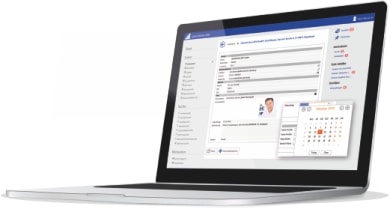
Nutzen Sie die CRM-Apps oder die Web Edition von cobra CRM überall – im Zug, im Auto, im Hotel oder als Gast bei Ihren Kunden. Profitieren Sie von optimaler Vorbereitung und kürzester Reaktionsfähigkeit. Alles, was Sie benötigen, sind ein Smartphone, Tablet oder Laptop sowie eine Internetverbindung. Das ist mobiles CRM in Perfektion.
Übrigens: Die cobra LEAD APP gibt es ebenfalls als Download.
Unabhängig von Ihrem Endgerät und Betriebssystem greifen Sie mit der cobra CRM Web Edition über das Internet auf Ihre cobra CRM-Daten zu.