Looking for inspiration
Desi Aunty Sex With Small - Boy In Xdesi.mobi
Indian cooking techniques have been passed down through generations, with many traditional methods still employed today. From the use of earthenware pots and tava griddles to the art of steaming and dum-cooking, Indian cooking techniques are a testament to the country's rich culinary heritage. The use of ghee (clarified butter) and oil in cooking adds a richness and depth to Indian dishes, while the tradition of fermenting and pickling foods has been a staple in Indian cuisine for centuries.
One of the most striking aspects of Indian cuisine is its incredible diversity. From the spicy curries of the south to the creamy kormas of the north, each region in India has its distinct flavor profile and cooking style. For instance, the southern states of India are known for their use of coconut, tamarind, and spices like cumin and coriander, which are showcased in popular dishes like dosas, idlis, and sambar. In contrast, the northern regions are famous for their rich, creamy curries made with yogurt, nuts, and spices like cumin, coriander, and cardamom.
Indian lifestyle and cooking traditions are a treasure trove of vibrant colors, aromatic spices, and mouth-watering flavors. For centuries, Indian cuisine has been a reflection of the country's rich cultural heritage, with each region boasting its unique cooking techniques, ingredients, and traditions. In this review, we'll embark on a culinary journey to explore the fascinating world of Indian lifestyle and cooking traditions. desi aunty sex with small boy in xdesi.mobi
In conclusion, Indian lifestyle and cooking traditions offer a rich and vibrant culinary experience that is both flavorful and culturally significant. With its incredible diversity, symphony of spices, and emphasis on food as a way of life, Indian cuisine has something to offer every kind of food lover. Whether you're a fan of spicy curries, creamy kormas, or fragrant biryanis, Indian cuisine is sure to delight your senses and leave you wanting more.
While traditional Indian cuisine remains a cornerstone of Indian food culture, modern twists and innovations have also emerged in recent years. With the influence of global cuisine and modern cooking techniques, Indian chefs have begun to experiment with new flavors, ingredients, and presentation styles. This fusion of traditional and modern elements has resulted in exciting new dishes and culinary experiences that cater to diverse tastes and preferences. Indian cooking techniques have been passed down through
While Indian cuisine is renowned for its rich flavors and aromas, some critics argue that it can be high in calories and fat, particularly when it comes to popular dishes like curries and biryanis. Additionally, the use of certain ingredients like ghee and oil can be a concern for those with dietary restrictions. However, it's worth noting that Indian cuisine also offers a wide range of healthy and nutritious options, particularly when it comes to vegetarian and vegan dishes.
For those interested in exploring Indian cuisine, we recommend starting with popular dishes like chicken tikka masala, palak paneer, and naan bread. For a more authentic experience, try visiting an Indian restaurant or cooking class, where you can learn about traditional Indian cooking techniques and taste a variety of regional dishes. One of the most striking aspects of Indian
Indian cooking is renowned for its liberal use of spices, which add depth, complexity, and warmth to every dish. The aroma of freshly ground spices like turmeric, cumin, coriander, and cinnamon is an integral part of Indian cooking. The use of spices not only enhances the flavor of food but also provides numerous health benefits, as many spices have medicinal properties. For example, turmeric contains curcumin, a powerful anti-inflammatory compound, while cumin has been shown to have digestive benefits.
India is a paradise for vegetarians and vegans, with a vast array of plant-based dishes that are both flavorful and nutritious. From popular street foods like chaat and kebabs to elaborate curries and biryanis, Indian cuisine offers a wide range of vegetarian and vegan options. Many Indian dishes are naturally vegan, making it easy for those with dietary restrictions to enjoy the local cuisine. For instance, the popular dish of chana masala, made with chickpeas in a spicy tomato-based sauce, is a staple in many Indian households.
In India, food is not just a source of sustenance but an integral part of daily life and culture. Mealtimes are often seen as opportunities to bond with family and friends, share stories, and create memories. Traditional Indian meals are often served with love and care, with each dish carefully prepared and presented to showcase the host's hospitality. For example, in many Indian households, meals are served on a thali, a large plate that holds a variety of dishes, including rice, dal, vegetables, and roti.

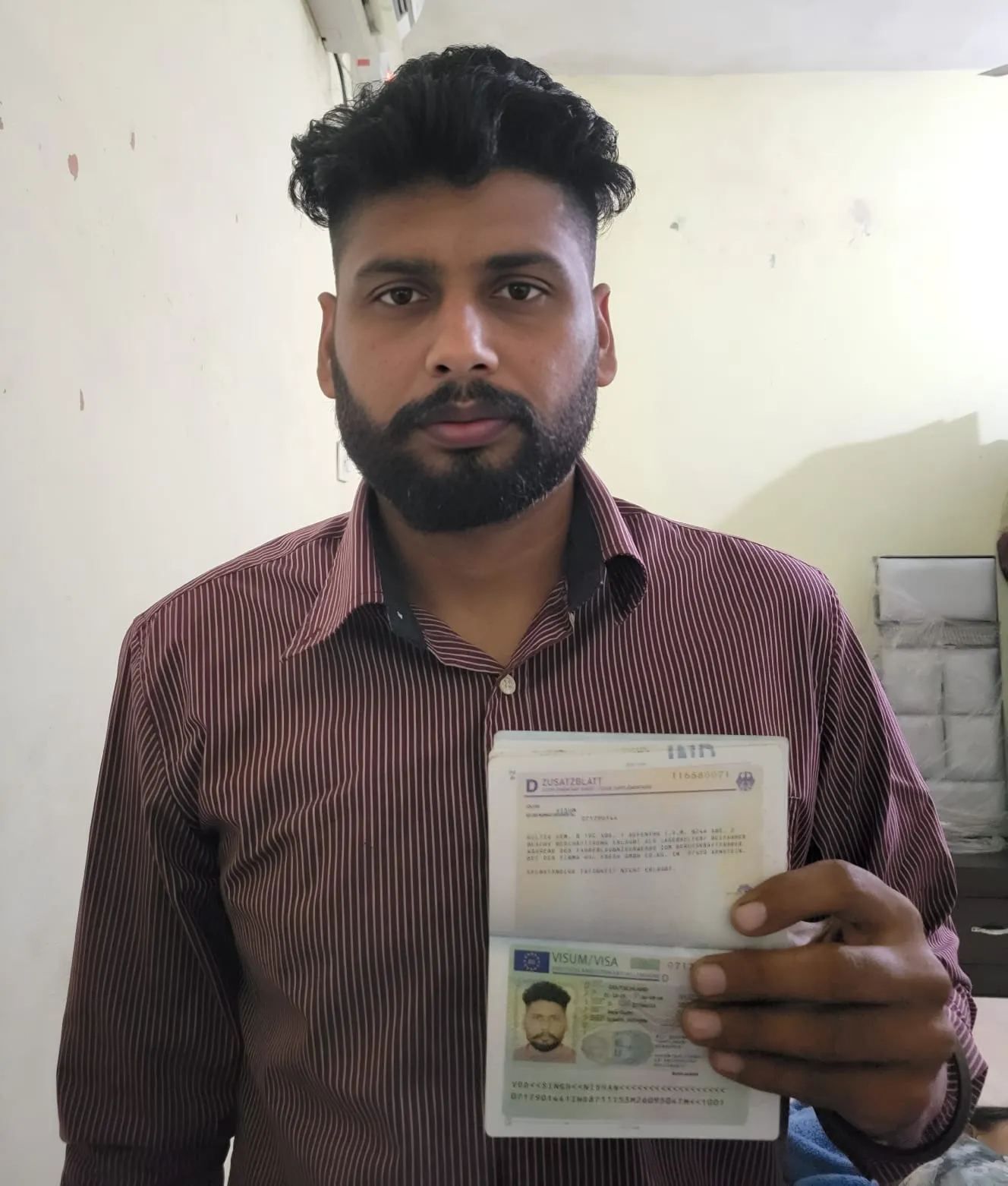


At AtoZ Serwis Plus, we help you become a global citizen with trusted support for jobs abroad, overseas education, and visa processing tailored to your goals.
Read More
1000+Visa Success

1M+ Guided

Experts

Offices

Online Services
Our Solutions
Connecting employers, job seekers, students, and agencies across Europe and beyond.

Register as an Employer Partner!
Looking to hire skilled or semi-skilled workers from Asia, Africa, the CIS, or EU countries? AtoZ Serwis Plus supports your recruitment needs for Poland, Germany, Slovakia, Hungary, Lithuania, Estonia, and beyond. We deliver comprehensive legal recruitment services, visa support, and seamless onboarding solutions tailored to your business goals. Partner with us to build a reliable, compliant, and efficient workforce.
Employer
Job Seekers Registration!
Looking to hire skilled or semi-skilled workers from Asia, Africa, the CIS, or EU countries? AtoZ Serwis Plus supports your recruitment needs for Poland, Germany, Slovakia, Hungary, Lithuania, Estonia, and beyond. We deliver comprehensive legal recruitment services, visa support, and seamless onboarding solutions tailored to your business goals. Partner with us to build a reliable, compliant, and efficient workforce.
Job Seekers
Register as a Recruitment Partner!
Are you a recruiter looking to place workers in Poland, Germany, Slovakia, or other EU destinations? AtoZ Serwis Plus provides you with trusted employer connections, legal recruitment solutions, verified job placements, and full visa assistance. Expand your recruitment business with confidence, supported by clear processes, reliable documentation, and transparent migration services.
RecruiterDo you have any questions?
Looking to work and live in Europe? At AtoZ Serwis Plus, we’re here to guide you every step of the way. Our experts provide support with job search assistance, work visa applications, qualification recognition, and European language learning. To connect with us and get started on your European journey, click one of the contact icons below.






