Download- Bokep Indo Ukhti Cantik Guru Paud - B... -
Indonesian entertainment has a long history, dating back to the ancient kingdoms of Java, Sumatra, and Bali. Traditional forms of entertainment, such as wayang kulit (shadow puppetry), wayang golek (wooden puppetry), and ludruk (a type of folk theater), were an integral part of village life. These art forms not only entertained but also conveyed moral messages and historical stories.
During the colonial era, Western-style entertainment, such as cinema and theater, was introduced to Indonesia. The first film screening in Indonesia took place in 1900, and by the 1920s, film production had begun. However, it was not until the 1950s that Indonesian cinema started to flourish, with the emergence of the "Darah dan Doa" (The Long March) film, which is considered one of the greatest Indonesian films of all time.
Indonesian traditional arts, such as batik, woodcarving, and dance, continue to play an important role in the country's cultural identity. Contemporary artists, such as Raden Saleh and Affandi, have gained international recognition for their innovative works. Download- Bokep Indo Ukhti Cantik Guru Paud - B...
Television has played a significant role in shaping Indonesian popular culture. The country's first television station, TVRI, was launched in 1969, and since then, numerous private television stations have emerged. Indonesian television programming includes a mix of local and international content, such as soap operas, reality TV shows, and music programs.
Indonesian popular music has a unique sound, shaped by its cultural diversity and historical influences. The 1950s and 1960s saw the rise of Indonesian crooners, such as Titiek Puspa and Bing Slamet, who sang Western-style music with Indonesian lyrics. In the 1970s and 1980s, Indonesian music was dominated by the "Dangdut" genre, a fusion of traditional Indonesian music with Western styles. Indonesian entertainment has a long history, dating back
Indonesia, the world's fourth most populous country, is a vibrant and diverse nation with a rich cultural heritage. The country's entertainment and popular culture have undergone significant transformations over the years, influenced by its history, geography, and cultural traditions. This paper provides an overview of Indonesian entertainment and popular culture, exploring its history, trends, and iconic figures.
The Indonesian film industry, also known as "Sinema Indonesia," has experienced significant growth in recent years. The industry has produced many critically acclaimed films, such as "The Raid: Redemption" (2011), "Gundala" (2019), and "Before, Now & Then" (2022). Indonesian films often focus on themes such as social issues, cultural identity, and nationalism. Indonesian traditional arts, such as batik, woodcarving, and
The Indonesian government has implemented policies to support the growth of the film industry, including tax incentives and funding for film production. The country's film industry has also gained international recognition, with Indonesian films being screened at film festivals around the world.
Indonesian entertainment has a long history, dating back to the ancient kingdoms of Java, Sumatra, and Bali. Traditional forms of entertainment, such as wayang kulit (shadow puppetry), wayang golek (wooden puppetry), and ludruk (a type of folk theater), were an integral part of village life. These art forms not only entertained but also conveyed moral messages and historical stories.
During the colonial era, Western-style entertainment, such as cinema and theater, was introduced to Indonesia. The first film screening in Indonesia took place in 1900, and by the 1920s, film production had begun. However, it was not until the 1950s that Indonesian cinema started to flourish, with the emergence of the "Darah dan Doa" (The Long March) film, which is considered one of the greatest Indonesian films of all time.
Indonesian traditional arts, such as batik, woodcarving, and dance, continue to play an important role in the country's cultural identity. Contemporary artists, such as Raden Saleh and Affandi, have gained international recognition for their innovative works.
Television has played a significant role in shaping Indonesian popular culture. The country's first television station, TVRI, was launched in 1969, and since then, numerous private television stations have emerged. Indonesian television programming includes a mix of local and international content, such as soap operas, reality TV shows, and music programs.
Indonesian popular music has a unique sound, shaped by its cultural diversity and historical influences. The 1950s and 1960s saw the rise of Indonesian crooners, such as Titiek Puspa and Bing Slamet, who sang Western-style music with Indonesian lyrics. In the 1970s and 1980s, Indonesian music was dominated by the "Dangdut" genre, a fusion of traditional Indonesian music with Western styles.
Indonesia, the world's fourth most populous country, is a vibrant and diverse nation with a rich cultural heritage. The country's entertainment and popular culture have undergone significant transformations over the years, influenced by its history, geography, and cultural traditions. This paper provides an overview of Indonesian entertainment and popular culture, exploring its history, trends, and iconic figures.
The Indonesian film industry, also known as "Sinema Indonesia," has experienced significant growth in recent years. The industry has produced many critically acclaimed films, such as "The Raid: Redemption" (2011), "Gundala" (2019), and "Before, Now & Then" (2022). Indonesian films often focus on themes such as social issues, cultural identity, and nationalism.
The Indonesian government has implemented policies to support the growth of the film industry, including tax incentives and funding for film production. The country's film industry has also gained international recognition, with Indonesian films being screened at film festivals around the world.
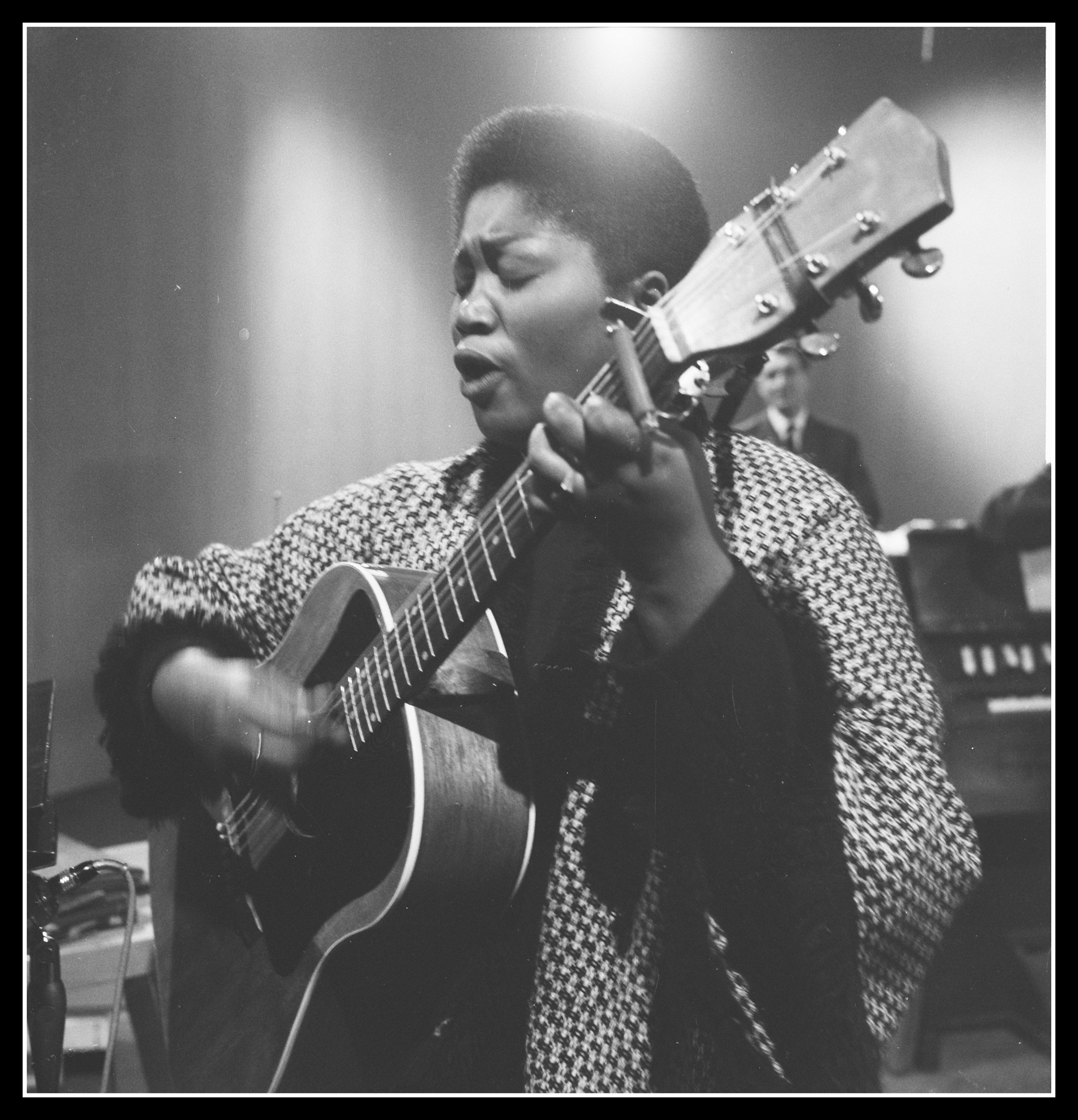
Odetta was one of the defining voices of American folk music. Though she had been trained in classical music, she was drawn to spirituals, work songs, traditional ballads, and blues. These songs told the stories of true life – of struggle and of those who overcame oppression. Odetta used her theater training and deep resonant voice to bring these messages to life. Her work inspired later artists like Bob Dylan and Joan Baez, served as a soundtrack for the social reforms of the 1960s, and led to her honorary title as “The Voice of the Civil Rights Movement” and “The Queen of Folk Music.
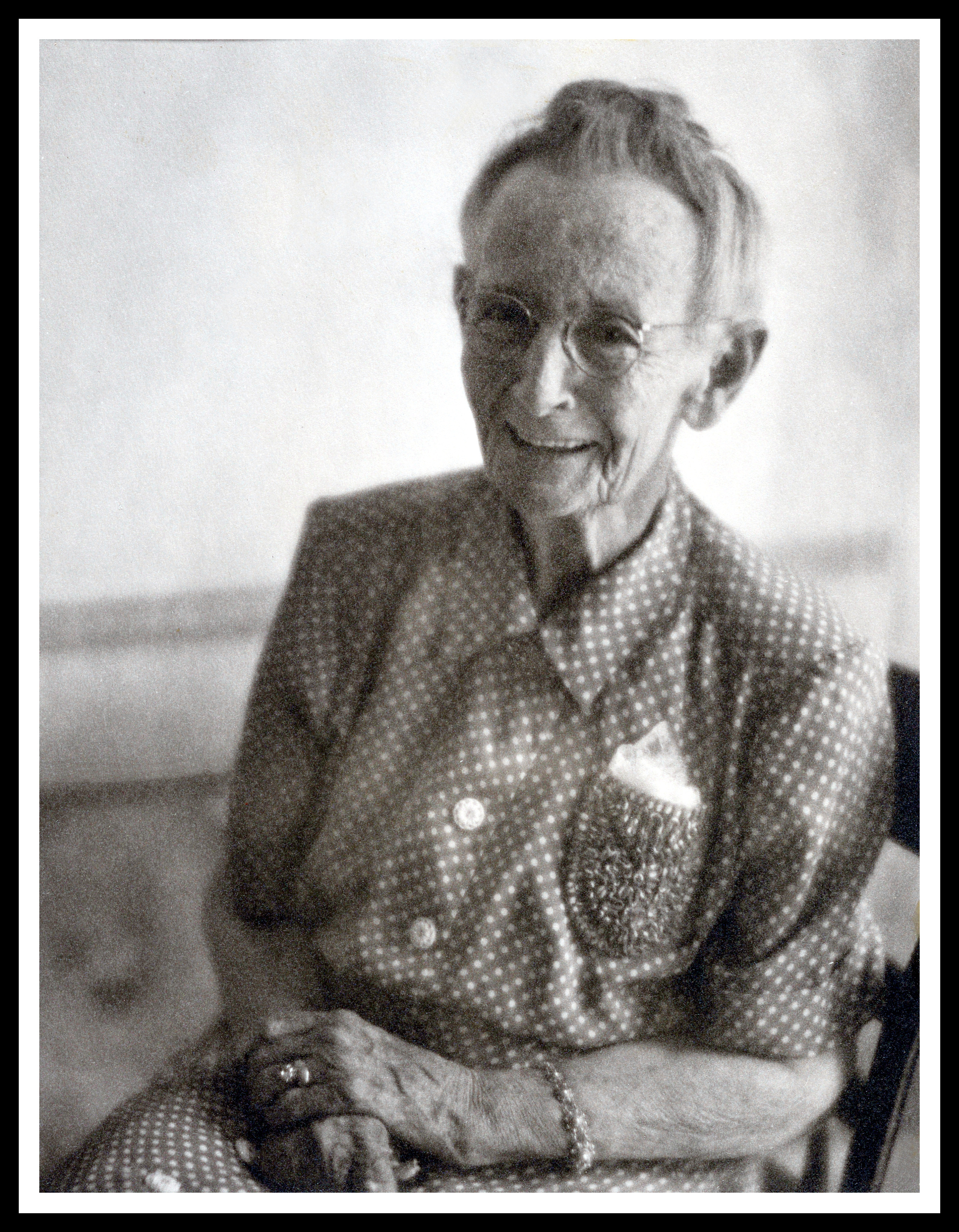
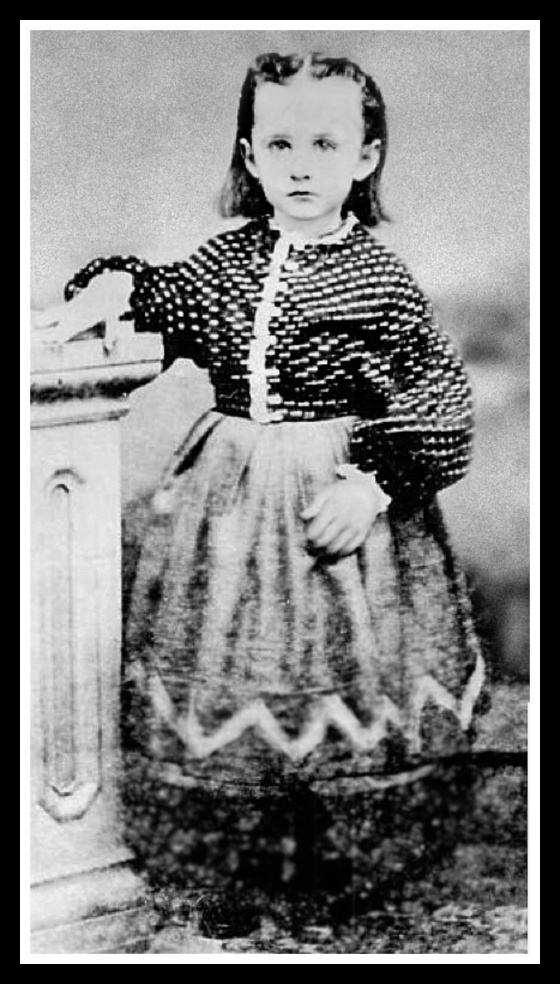
Anna Mary Moses spent the last twenty years of her life as a beloved and celebrated artist after a hobby became an occupation in the most astonishing way.
Anna Mary Moses was born when Abraham Lincoln was president and died when John Kennedy was; she lived through one Civil, and two World wars, and was one of the first women in the US to legally vote. Because her life was so full, she didn’t take up painting as her primary hobby until she was in her 70s, and was on a rocketship of world fame as a celebrated artist until she was in her 80s.