Packard Bell Dot S Recovery Disk Windows Xpiso Link -
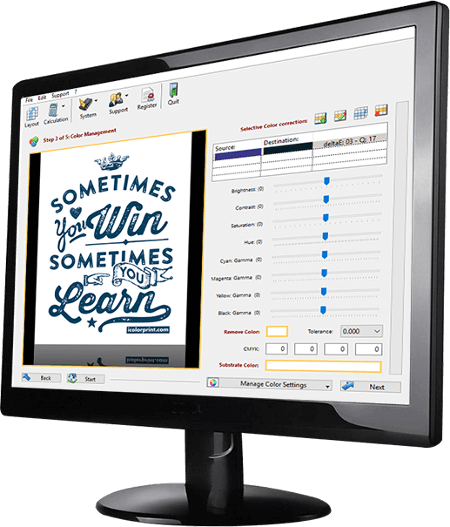
DTF Pro™ has developed a series of software packages to enhance your IColor printing experience. The DTF Pro™ TransferRIP and ProRIP and ProRIP Essentials packages make it simple to produce spot color overprint and underprint in one pass. The Absolute White RIP helps you use an Absolute White Toner Cartridge in a converted CMYK printer, and create 2 pass prints with color and white. The DTF Pro™ SmartCUT suite allows your A4/Letter sized printer to produce tabloid or larger sized transfers! Use one or more with the DTF Pro™ 500, 600 and 800 series of transfer printers.
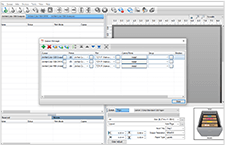
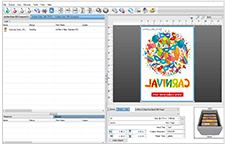
Use the DTF Pro™ ProRIP software to print white as an underprint or overprint in one pass.
This professional version is designed for higher volume printing with an all new interface. Design files can be printed directly from your favorite graphics program, as well as imported directly into DTF Pro™ ProRIP. packard bell dot s recovery disk windows xpiso link
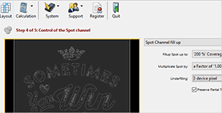
The DTF Pro™ ProRIP software allows the user to control the spot white channel feature. Three cartridge configurations are available: Spot color overprinting, where white is needed as a top color for textiles; Spot color underprinting for printing on dark or transparent media where white is needed as a background color and standard CMYK printing where a spot color is not needed. No need to create additional graphics with different color configurations – the software does it all – and in one pass! Enhance the brilliance of any graphic with white behind color! So the user might need to download a
Compatible with Microsoft Windows® 8 / 10 / 11 (x32 & x64) only. followed by a step-by-step guide
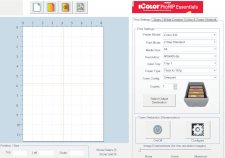
A simplified version of ProRIP which includes all of the most commonly used features of ProRIP with an easy to use interface. This Essentials version simplifies the printing process and allows the user to print efficiently and quickly without any training. All of the important and frequently used aspects of the software are included in this version, while all of the ‘never used’ or confusing aspects of the software are left out.
Comes standard with the IColor®540 and 560 models and is compatible with the IColor 550 as well.
Does not work with IColor 500, 600, 650 or 800 (yet).
Improvements over the ‘Standard’ ProRIP:
Include warnings about potential issues: model-specific recovery media, ensuring the correct ISO, and the necessity of using the original hardware. Maybe add a note about driver compatibility post-recovery, even if the ISO is used correctly.
Need to verify the exact steps for creating a bootable USB for Windows XP, as the process is different from newer OSes. Windows XP installations from USB require special preparation with boot sectors. Maybe suggest using a tool like WinSetupFromUSB, which can convert the ISO into a bootable USB for XP.
But wait, Windows XP doesn't natively support ISO mounting, right? So the user might need to download a tool to extract the ISO contents. Maybe mention steps like using 7-Zip to extract the files, then burning a CD or creating a bootable USB. Also, check the BIOS settings for USB boot order.
Also, emphasize that this is a technical process and users should back up their data before proceeding. Clarify that if they're not the original owners, using the recovery ISO might not work unless paired with the correct hardware and licensing.
I think that's a good outline. Now, structure it into a coherent blog post with clear sections, step-by-step instructions, and important notes for users.
I should structure the blog post with an introduction explaining why someone might need this, followed by a step-by-step guide, and a conclusion. Tips on sourcing the ISO would be helpful—maybe through contact with Packard Bell support or authorized resellers. Also, mention that Windows XP is outdated and not supported, so advising on secure usage is important.
Note: This guide assumes ownership rights to the hardware and licensed software. Always use official or legally acquired recovery media. : This blog post is for educational purposes only. The author does not provide direct links to ISO files due to copyright restrictions. Always obtain recovery media through official or authorized channels.
I should start by outlining the steps: where to get the ISO, how to create a bootable USB or CD, and maybe some troubleshooting tips. I remember that Windows XP installations often require specific drivers, so using the original recovery ISO is important to ensure compatibility.
Include warnings about potential issues: model-specific recovery media, ensuring the correct ISO, and the necessity of using the original hardware. Maybe add a note about driver compatibility post-recovery, even if the ISO is used correctly.
Need to verify the exact steps for creating a bootable USB for Windows XP, as the process is different from newer OSes. Windows XP installations from USB require special preparation with boot sectors. Maybe suggest using a tool like WinSetupFromUSB, which can convert the ISO into a bootable USB for XP.
But wait, Windows XP doesn't natively support ISO mounting, right? So the user might need to download a tool to extract the ISO contents. Maybe mention steps like using 7-Zip to extract the files, then burning a CD or creating a bootable USB. Also, check the BIOS settings for USB boot order.
Also, emphasize that this is a technical process and users should back up their data before proceeding. Clarify that if they're not the original owners, using the recovery ISO might not work unless paired with the correct hardware and licensing.
I think that's a good outline. Now, structure it into a coherent blog post with clear sections, step-by-step instructions, and important notes for users.
I should structure the blog post with an introduction explaining why someone might need this, followed by a step-by-step guide, and a conclusion. Tips on sourcing the ISO would be helpful—maybe through contact with Packard Bell support or authorized resellers. Also, mention that Windows XP is outdated and not supported, so advising on secure usage is important.
Note: This guide assumes ownership rights to the hardware and licensed software. Always use official or legally acquired recovery media. : This blog post is for educational purposes only. The author does not provide direct links to ISO files due to copyright restrictions. Always obtain recovery media through official or authorized channels.
I should start by outlining the steps: where to get the ISO, how to create a bootable USB or CD, and maybe some troubleshooting tips. I remember that Windows XP installations often require specific drivers, so using the original recovery ISO is important to ensure compatibility.
Use the DTF Pro™ TransferRIP software to print white as an underprint or overprint in one pass.
Designed for every day, short to mid run use, the DTF Pro™ TransferRIP software allows the user to control the spot white channel feature. Two cartridge configurations are available: White overprint, where white is needed as a top color for textiles; and white underprint for printing on dark or transparent media where white is needed a round color. No need to create additional graphics with different color configurations – the software does it all – and in one pass! Enhance the brilliance of any graphic with white behind color!
Compatible with Microsoft Windows 7 / 8 / 10 (x32 & x64) only.